


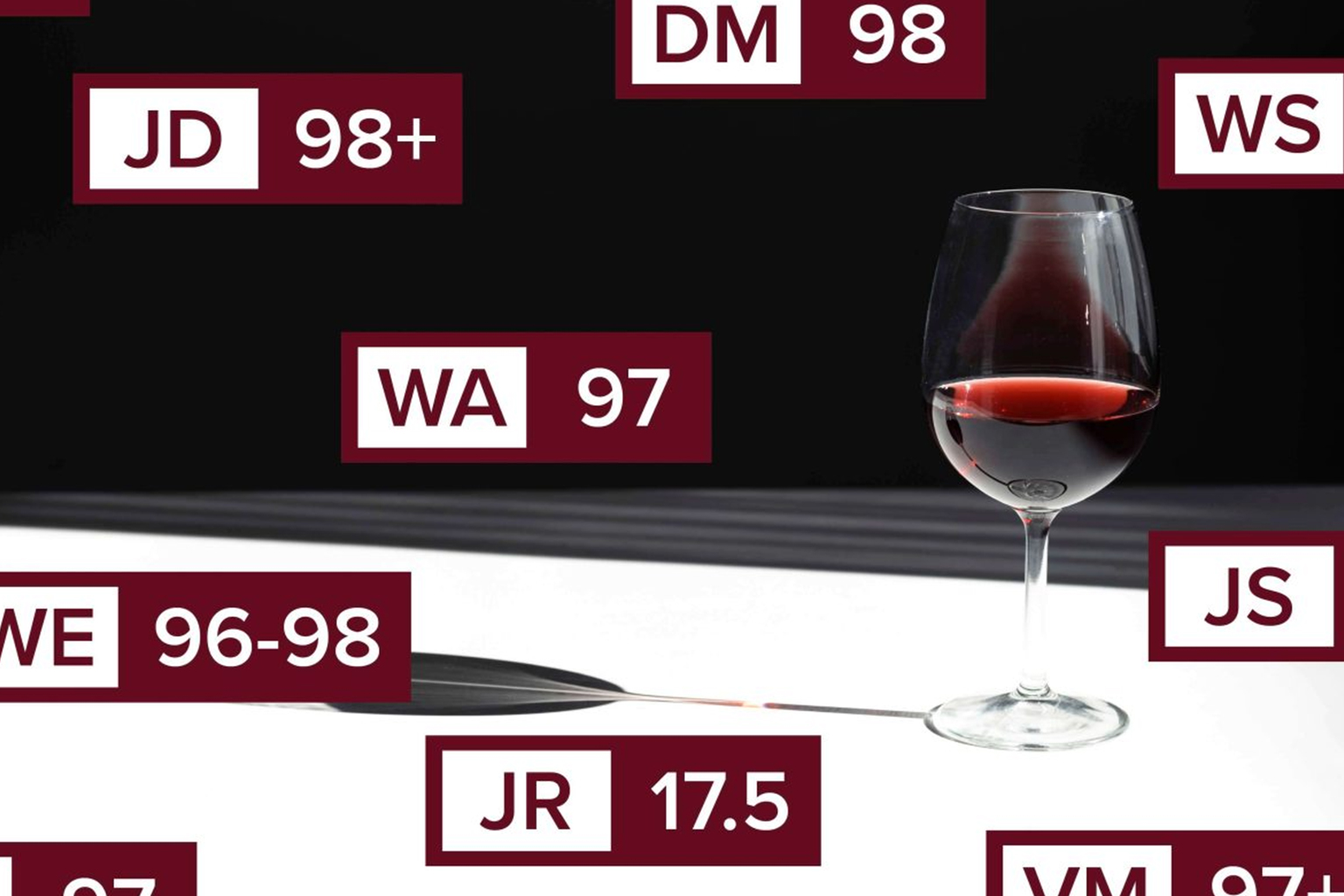
A 96-point Bordeaux and a 96-point Barolo may both deserve attention, but they are not interchangeable purchases. One could be a beautifully mature, classically proportioned wine ready for roast lamb; the other may be a powerful young Nebbiolo built for a decade or two in the cellar. Knowing how wine critic scores work helps turn a number on a shelf tag or product page into a more confident decision about what to open, give, or lay down.
For serious collectors, scores are a useful shorthand for quality, pedigree, and potential. For newer drinkers, they can narrow a daunting selection to bottles that have been independently assessed. But a score is an informed opinion, not a universal verdict. Its greatest value comes when it is read alongside the critic’s tasting note, the producer, the vintage, and the occasion you have in mind.
How Wine Critic Scores Work on the 100-Point Scale
Most leading international critics use a 100-point scale, though the practical range is much narrower than it first appears. In fine wine, scores below 80 are uncommon in retail-facing reviews, while the meaningful distinctions generally begin around 85 points.
A useful working guide is that 90 to 94 points signals an outstanding wine with clear character and quality. Scores from 95 to 97 indicate an exceptional, often cellar-worthy bottle that stands out within its category. A 98 or 99-point rating is rare territory: a critic believes the wine is among the finest examples tasted, with extraordinary depth, balance, detail, and length. A perfect 100 is not simply a wine with the most power or the highest price. It is a critic’s judgment that the wine has reached an exceptional expression of its place, vintage, and style.
The difference between 92 and 95 points can be meaningful, particularly within the same region, vintage, and critic’s report. Yet it should not be treated as an exact scientific measurement. Wine is tasted by people, in changing circumstances, from individual bottles. A three-point gap is often less useful than the words explaining why one wine is more compelling.
What critics are assessing
While each publication has its own method, critics tend to assess the same core elements: aroma, flavor intensity, balance, structure, complexity, typicity, finish, and capacity to evolve. A top score usually reflects harmony rather than sheer concentration.
Consider a great Champagne. Its score may rest on the precision of its mousse, the lift of its acidity, the layered notes of citrus, toast, and chalk, and a finish that seems to continue long after the sip. In a grand cru Burgundy, the deciding qualities may be a sensational perfume, finesse of tannin, and an ability to reveal more nuance with air. A young Cabernet-based Bordeaux may earn its rating through the quality of fruit, freshness, tannic architecture, and confidence that it will gain complexity in bottle.
This is why tasting notes matter. They tell you whether a highly rated wine is likely to suit your palate. Words such as “opulent,” “hedonistic,” and “generous” point toward a different experience from “linear,” “restrained,” or “mineral.” Neither style is inherently superior. The better choice depends on whether you enjoy rich Napa Cabernet, refined Left Bank claret, aromatic Barolo, or elegant Pinot Noir.
Why Two Critics Can Score the Same Wine Differently
It is entirely normal to see different scores for the same bottle. James Suckling, Wine Advocate, Wine Spectator, Antonio Galloni, Jeb Dunnuck, and The Wine Independent bring distinct tasting histories, preferences, and editorial approaches to their work. One critic may respond strongly to concentration and texture; another may put more weight on aromatic complexity, freshness, or traditional regional character.
Timing also changes the result. A wine tasted from barrel may receive a projected range, such as 94-96 points, because its final blend and bottle development are not yet complete. Once bottled and released, it can show differently. A young, tightly wound Brunello may appear reserved at first review but become more expressive several years later. Mature wines can also vary bottle by bottle, especially where storage history is uncertain.
The tasting environment matters as well. Critics may taste blind, in flights of comparable wines, at a château, or from samples submitted for review. Blind tasting can reduce the influence of reputation, while an estate visit may offer valuable context about vineyard sites, élevage, and vintage decisions. Neither approach eliminates judgment. It simply frames it differently.
For this reason, collectors often follow a small group of critics whose preferences align with their own. If you repeatedly enjoy the wines praised by a particular reviewer, that critic becomes more useful to you than a single headline score from someone whose taste is less familiar.
Scores Are Most Useful When Compared Like With Like
A 95-point village Burgundy should not automatically be considered “better” than a 93-point Champagne, Rioja, or Margaret River Cabernet. Scores are most revealing when you compare wines within a similar context: the same appellation, vintage, style, and price band.
For example, a 94-point Saint-Émilion from a challenging year may be an excellent purchase if it offers balance, provenance, and drinking pleasure at an attractive price. A 97-point wine from a celebrated vintage might have greater long-term potential, but it could require substantial patience and a larger budget. The better value is not always the higher number.
Vintage context is especially important in regions with meaningful year-to-year variation. In Bordeaux, weather conditions can shape ripeness, tannin profile, and aging trajectory. In Burgundy, yields and site expression may vary sharply even between neighboring vineyards. In Champagne, the house style and blend can soften vintage differences, although prestige cuvées still reflect the character of their harvest.
Scores also do not fully capture bottle format, condition, or source. A pristine original wooden case with impeccable provenance may be more compelling to a collector than a similarly scored bottle with an unclear history. Large formats often mature more slowly and can be particularly appealing for celebrations or long-term cellaring.
Reading a Wine Review Beyond the Number
When considering a purchase, start with the score, then read for four practical signals: drinking window, style, structure, and occasion. These details tell you much more than a score alone.
A review that says “drink 2030-2055” is signaling youthful structure and future potential, not a failure of current quality. If you are planning a dinner this weekend, choose a wine described as open-knit, approachable, or already drinking well, or ask for a recommendation suited to earlier enjoyment. Conversely, a bottle with firm tannins, vibrant acidity, and a long projected window may be exactly right for a cellar.
Look closely at descriptors of fruit and texture. Dark cherry, rose petal, tar, and savory spice suggest a very different Barolo experience from cassis, cedar, graphite, and polished tannin in Bordeaux. A critic’s note can help you match the wine to food too. Bright, saline whites often excel with Singapore’s seafood dishes; structured reds are more at home beside richly marbled beef, lamb, or slow-braised preparations.
Price is the final part of the equation. A 90-point wine from a respected producer can offer superb weeknight or entertaining value. A 98-point wine may be justified for a milestone, a collector’s cellar, or a rare gift, but only if its style and maturity align with the recipient. Critical acclaim is a reason to look closer, not a reason to buy without thinking.
A Smarter Way to Use Critic Scores When Buying Wine
Use scores to create a shortlist, particularly when navigating unfamiliar producers, vintages, or appellations. Then compare the reviews, drinking windows, bottle formats, and prices. Where several respected critics agree on a wine’s quality, that consensus can provide added reassurance. Where opinions diverge, read the notes carefully: the disagreement may reveal a stylistic choice rather than a flaw.
For En Primeur and other young releases, pay particular attention to score ranges and the critic’s comments on balance, tannin, and aging potential. These wines are often purchased for their future rather than immediate pleasure. For mature bottles, place more weight on provenance, storage, and present drinking guidance.
At Crystal Wines, critic-score filters are designed to make this first stage of discovery easier. The most rewarding next step is still a personal one: identify the regions, producers, and styles that make you want to pour another glass. Let a high score point you toward excellence, then let your own palate decide which bottles earn a permanent place at your table and in your cellar.


