


A $50 bottle should feel like a considered choice, not a compromise. The best wines under $50 bring real regional character to the table: bright mineral tension from a cool-climate white, savory perfume from an Italian red, or the layered fruit and oak of a well-made Rioja. For dinner at home, a thoughtful gift, or a host-worthy bottle that does not require a special occasion, this price tier is one of wine’s most rewarding places to shop.
The key is to buy appellation and producer intention rather than a flashy label. At this level, you may not be purchasing grand cru Burgundy or a classified-growth Bordeaux, but you can find serious estates, excellent vineyard sourcing, and wines made with the same care that defines their producers’ more celebrated bottlings.
What Makes the Best Wines Under $50 Worth Buying?
Value is not simply about receiving the most wine for the money. A compelling bottle has balance, identity, and enough complexity to hold your attention through a meal. It should taste like it comes from somewhere specific, whether that is the slate-rich slopes of the Mosel, the sunlit hills of Tuscany, or the limestone soils of the Languedoc.
The trade-off is usually one of pedigree versus immediate pleasure. A modestly priced village Burgundy can offer delicacy and precision but may be lighter and less concentrated than a more ambitious New World Pinot Noir. A Barbera d’Asti may not have the structure of Barolo, yet its vivid fruit and freshness can make it the better choice for pizza, pasta, and a relaxed midweek dinner.
Vintage also matters, particularly in traditional European regions. When comparing two wines from the same producer, a warmer year may offer more generous fruit now, while a cooler year can bring fragrant lift and firmer acidity. Critic scores can be useful signals, but the right bottle is ultimately the one that suits the food, mood, and people around your table.
12 Best Wines Under $50 to Seek Out
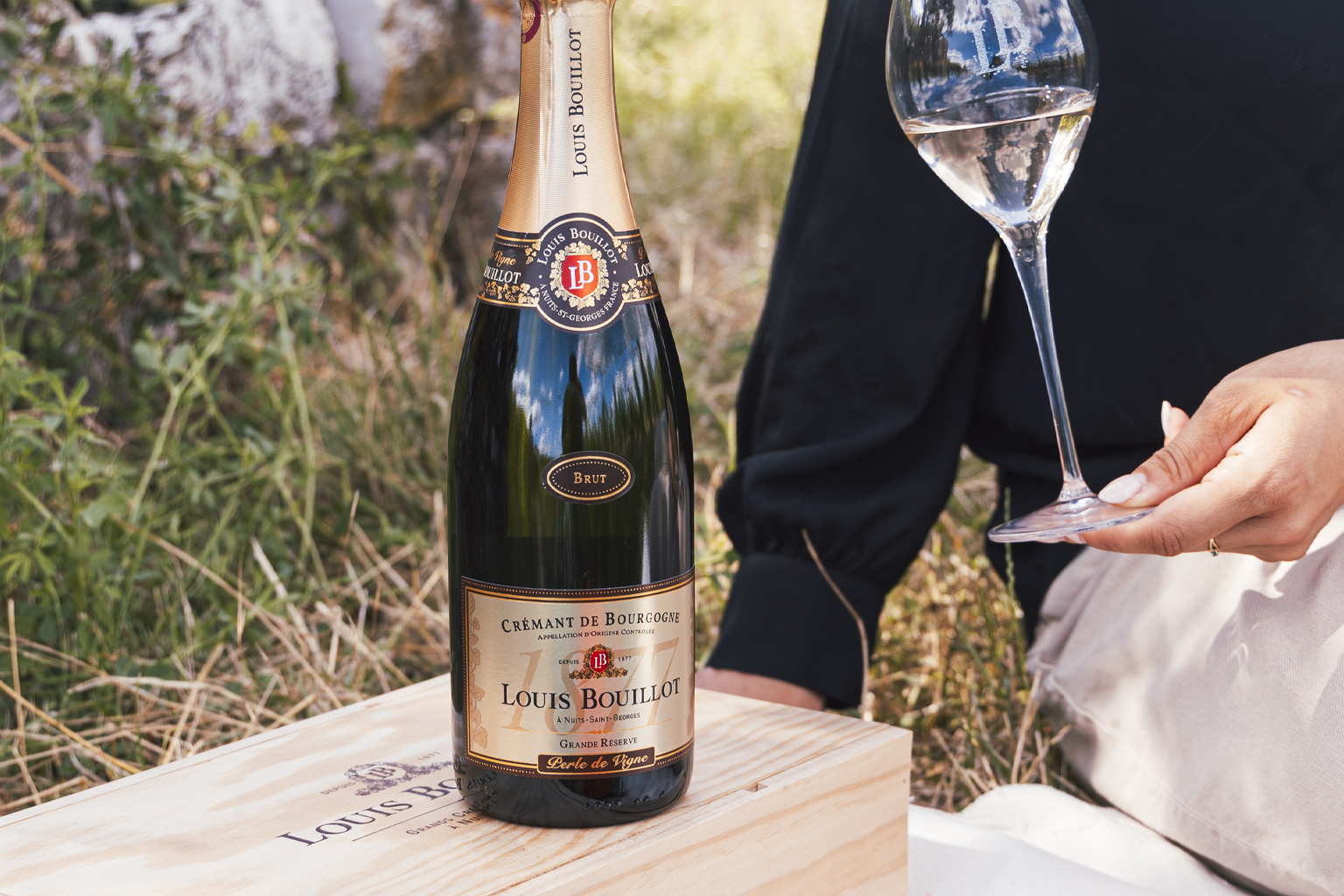
1. Crémant de Bourgogne
For celebratory energy without Champagne pricing, Crémant de Bourgogne is an intelligent first call. Made by the traditional method, it can show crisp orchard fruit, citrus, brioche, and a fine, persistent mousse. Serve it with freshly shucked oysters, fried chicken, or salted almonds, and it will immediately make an ordinary gathering feel more festive.
2. Loire Valley Chenin Blanc
Dry Chenin Blanc from Vouvray, Saumur, or Anjou offers serious complexity for the price. Expect quince, yellow apple, chamomile, and a chalky finish, often with a subtle waxy texture that develops beautifully in the glass. It is particularly fine with roast pork, spicy Asian dishes, or dishes that use cream and herbs without overwhelming richness.
3. Muscadet Sèvre et Maine Sur Lie
Muscadet remains one of the most reliable white-wine values for seafood lovers. The best examples are brisk and saline, with lemon peel, green apple, white flowers, and a lightly yeasty note from aging on the lees. This is not a white to save for a grand occasion. Chill it well and pour it generously beside shellfish, sushi, or simply grilled fish.
4. Clare Valley or Eden Valley Riesling
Australian Riesling can be breathtakingly precise, especially from Clare Valley and Eden Valley. Look for lime zest, grapefruit, jasmine, and a clean line of acidity that keeps the palate energized. Many bottles are dry or nearly dry, although a touch of residual sugar can be welcome with chili heat. It is one of the finest choices for Thai, Vietnamese, and Indian food.
5. Beaujolais-Villages or Cru Beaujolais
A well-chosen Gamay from Beaujolais offers joyful red fruit without sacrificing detail. Beaujolais-Villages is approachable and refreshing, while crus such as Morgon, Fleurie, or Moulin-à-Vent can bring more floral perfume, earth, and structure. Serve slightly cool with charcuterie, roast chicken, mushroom dishes, or salmon. For Pinot Noir drinkers, this is a persuasive detour.
6. Côtes du Rhône
Côtes du Rhône is often the gateway to the Rhône’s generous, spice-driven style. Grenache typically supplies ripe raspberry and warmth, while Syrah and Mourvèdre add black pepper, dark fruit, and savory depth. The most convincing examples are not merely bold. They remain fresh enough to work with lamb chops, grilled sausages, burgers, and hearty vegetable dishes.
7. Rioja Reserva
Rioja Reserva is a classic answer for those who enjoy mature nuance but want to stay within a sensible budget. Tempranillo’s red cherry and plum are often framed by cedar, tobacco, vanilla, and dried herbs from careful barrel aging. It has the polish to make an excellent gift, particularly for a host serving roast beef, Iberian-inspired dishes, or hard sheep’s-milk cheeses.
8. Chianti Classico
Chianti Classico gives Sangiovese a more structured, savory expression than many entry-level Tuscan reds. Look for sour cherry, rose petal, tea leaf, and a firm but food-friendly tannic grip. A good bottle can feel remarkably composed at this price. Pair it with tomato-based pasta, grilled steak, lasagna, or aged Pecorino, and let the wine’s acidity do its work.
9. Barbera d’Asti or Barbera d’Alba
Barbera is one of Piedmont’s most useful dinner-table reds. It commonly delivers dark cherry, blackberry, violet, and gentle spice, with lively acidity and softer tannins than Nebbiolo. That combination makes it generous without heaviness. It is a superb choice for duck, eggplant Parmesan, truffle pasta, or a cheeseboard where stronger reds might dominate the food.
10. Spanish Garnacha from Old Vines
Old-vine Garnacha from regions such as Calatayud, Cariñena, or Campo de Borja can be remarkably plush for under $50. Blackberry, ripe strawberry, licorice, and warm spice are typical, but the better bottlings avoid becoming jammy. Choose one with freshness and a mineral edge, then serve it with barbecue, slow-cooked pork, or deeply flavored grilled vegetables.
11. South African Chenin Blanc
South African Chenin Blanc offers a compelling bridge between Old World restraint and New World fruit. Depending on the producer and region, it may show pear, stone fruit, citrus, honeycomb, and a smoky, stony undertone. Lightly oaked examples have enough texture for roast chicken and richer seafood, while fresher styles are ideal as an aperitif.
12. Chilean Cabernet Sauvignon
For a polished, crowd-pleasing red, Cabernet Sauvignon from Chile’s Maipo Valley, Colchagua Valley, or Aconcagua Valley is difficult to ignore. Blackcurrant, cassis, cedar, mint, and cocoa are common markers, with a generous texture that makes the wine immediately appealing. Seek producers that preserve freshness rather than pushing extraction. This is a natural fit for steak, lamb, and burgers.
How to Choose the Right Bottle for the Occasion
For gifting, favor a recognizable appellation and a bottle with a clear story: Rioja Reserva, Chianti Classico, cru Beaujolais, or a carefully selected traditional-method sparkling wine all carry a sense of occasion. A vintage on the label and a respected producer add confidence, even when the recipient is an experienced collector.
For a dinner party, begin with the menu rather than the grape variety. Lean, citrus-driven whites excel with delicate seafood; richer Chenin Blanc works with creamy sauces; acid-driven Italian reds flatter tomato-based dishes; and Rhône blends are dependable with smoky, grilled flavors. If the meal ranges across several courses, sparkling wine is the most flexible opening bottle.
For personal drinking, be honest about your preferred style. If you love the perfume and restraint of Burgundy, explore cru Beaujolais and cooler-climate Pinot Noir. If Barolo appeals but feels like a commitment, try Barbera for Piedmontese character with softer tannin. If prestige Champagne is reserved for milestones, a well-made Crémant can deliver much of the ritual and pleasure on a Tuesday night.
A Smarter Way to Shop Below $50
Use the label as a map. Specific subregions, named villages, traditional classifications, and estate bottlings can be more informative than broad country-of-origin claims. Pay attention to alcohol level as well: a lower-alcohol wine often suggests a fresher, more restrained style, while a higher-alcohol bottle may be riper and fuller-bodied. Neither is automatically better.
A specialist merchant can help narrow the choice by vintage, critic assessment, producer style, and food pairing. At Crystal Wines, this is where knowledgeable guidance is particularly valuable: a recommendation can turn a broad $50 budget into a bottle with genuine provenance and a clear place at your table.
The most memorable bottle is rarely the one with the loudest label or the highest discount. Choose a wine with a sense of place, give it the right food and temperature, and leave enough room in the budget to open a second bottle when the conversation runs long.


