


A host should never have to offer a non-drinker a sweet soda while everyone else is discussing the Burgundy. The best non alcoholic wine alternatives bring acidity, texture, aroma, and a sense of occasion to the table – qualities that matter far more than an imitation of alcohol itself. For a polished lunch, a celebratory dinner, or a thoughtful gift, the right bottle can make every guest feel included.
The category has moved well beyond grape juice in a wine-shaped bottle. Some choices begin as proper wine and have the alcohol gently removed; others build complexity through tea, verjus, botanicals, fruit, and fermentation. Each has its place. The most convincing choice depends on what is being served, how the drink will be enjoyed, and whether the drinker wants a familiar wine profile or something entirely new.
What Makes a Fine Non-Alcoholic Pour?
Wine earns its place at the table through balance. Alcohol contributes body and warmth, but it is not the only source of structure. Bright acidity gives a drink lift; tannin creates grip; a touch of bitterness keeps fruit from becoming cloying; and layered aromatics make a second glass appealing.
This is why the best bottles rarely chase sweetness. A serious non-alcoholic alternative should taste composed when served in a stemmed glass, stand up to food, and finish cleanly rather than fading into candied fruit. Look for clear information on ingredients, sugar, carbonation, and serving temperature. “Alcohol-free” and “non-alcoholic” are not always interchangeable on labels, so those avoiding alcohol for medical, religious, pregnancy-related, or personal reasons should check the stated alcohol content carefully.
It also helps to manage expectations. A zero-proof red cannot fully reproduce the warmth and tannic breadth of a mature Barolo, just as a dealcoholized Champagne-style wine will not have the exact mousse or autolytic depth of vintage Champagne. The finest alternatives succeed by being delicious on their own terms.
The Best Non Alcoholic Wine Alternatives by Occasion
1. Dealcoholized sparkling wine for celebrations
For birthdays, engagement parties, and festive receptions, sparkling wine is the natural starting point. The bubbles create an immediate sense of ceremony, while high acidity makes the style broadly food-friendly. Choose a dry, wine-based sparkling option with notes of citrus, green apple, pear, or brioche rather than a sweet sparkling grape drink.
Serve it very cold, around 40 to 45°F, in a flute or white wine glass. It is particularly good with smoked salmon, oysters, tempura, lightly spiced canapés, and Singapore-style snacks such as fried spring rolls. A sweeter style can work with fruit desserts, but dry is more versatile for a meal.
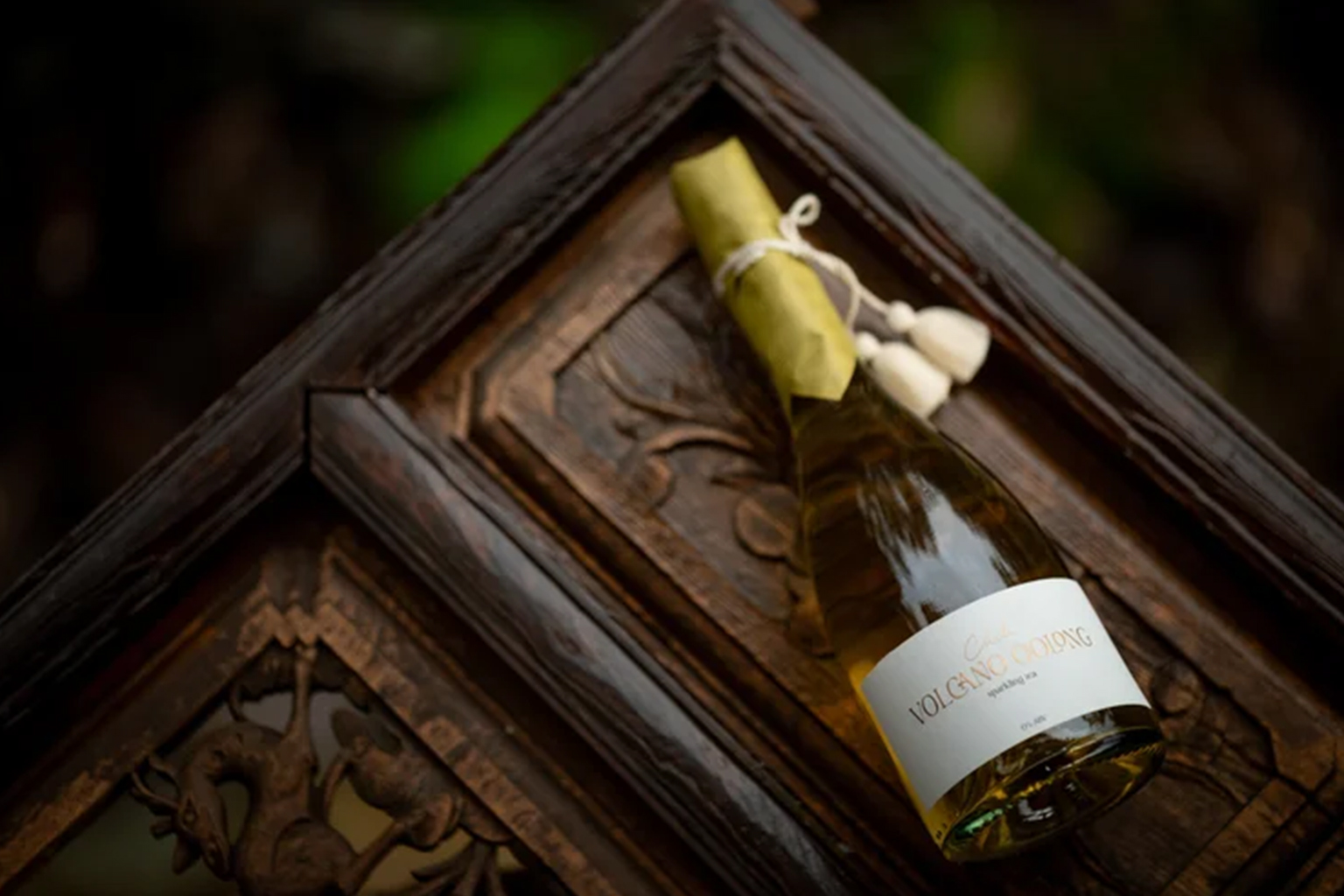
2. Sparkling tea for an elegant dinner
Sparkling tea is one of the most sophisticated alternatives for guests who value aroma and complexity. Fine tea provides tannin, bitterness, floral lift, and a long finish, while carbonation adds freshness. The best examples can show jasmine, oolong, black tea, citrus peel, stone fruit, or gentle spice.
This is an excellent choice alongside Asian cuisine, where many conventional wines can struggle with chili, soy, ginger, and aromatic herbs. Pour a floral, lighter sparkling tea with steamed fish, sushi, or salads. Select a deeper black-tea-led bottling for roast duck, char siu, or grilled meats. Its versatility makes it a particularly thoughtful addition to a dinner party where several courses are being served.
3. Verjus-based aperitifs before dinner
Verjus is the tart juice pressed from unripe wine grapes. It has the bright, vinous acidity that makes an aperitif so refreshing, but without the fermentation-derived alcohol. Bottled verjus drinks are often blended with botanicals, herbs, or a little fruit to create a composed, adult-style pre-dinner pour.
Serve over a large cube of ice with a twist of lemon or grapefruit. The result is not wine, nor should it pretend to be, but it offers the bracing palate-cleansing quality many guests want before a rich meal. It is especially welcome on warm afternoons, with olives, salted nuts, charcuterie, and aged cheese.
4. Botanical aperitifs for bitter complexity
For the guest who ordinarily reaches for an Americano, Negroni, or dry vermouth, a botanical aperitif is often a better answer than non-alcoholic wine. Gentian, wormwood, citrus peel, rosemary, quinine, and warming spices can supply the bitterness and perfume that make an aperitif compelling.
Lengthen it with chilled sparkling water and garnish simply. Avoid overloading the glass with syrup, multiple juices, and elaborate garnishes; the point is poise, not novelty. These drinks pair beautifully with savory nibbles and can reset the palate before roast poultry, grilled lamb, or a cheese course.
5. Still white alternatives for seafood and salads
A still, dealcoholized white wine is most persuasive when it leans into freshness. Sauvignon Blanc-inspired styles often show citrus, gooseberry, herb, and cut-grass notes; Chenin Blanc and Riesling-inspired options can offer apple, quince, and floral character. Chardonnay is harder to reproduce, because alcohol and oak contribute much of its breadth, though a restrained, crisp example can still work well.
Choose dry or off-dry styles for food. Serve them cool but not ice-cold, around 45 to 50°F, so their aromatics have room to emerge. They are a natural companion to grilled prawns, crab, chicken salads, goat cheese, and simply prepared white fish. If the dish carries serious chili heat, a gently sweeter aromatic style is often more comfortable than an aggressively dry one.
6. Red alternatives for hearty dishes
Non-alcoholic reds are the most challenging category, but the better examples are improving. Seek dark berry fruit balanced by savory spice, tea-like tannin, and a dry finish. A red that is too sweet or thin will be overwhelmed by food, whereas a more structured pour can complement mushroom dishes, roasted eggplant, beef skewers, or slow-cooked lamb.
Do not serve it at room temperature in a tropical climate. A light chill, around 55 to 60°F, sharpens freshness and makes the texture feel more deliberate. If a bottle lacks enough body for the main course, treat it as a pre-dinner red-fruit pour rather than forcing it into the role of Cabernet Sauvignon.
7. Kombucha for fermented character
Dry kombucha can be a compelling alternative for adventurous palates. Its fermentation gives it tang, subtle funk, and a living, savory edge that sweet soft drinks lack. Look for low-sugar, tea-forward versions without heavy fruit purée or confectionary flavoring.
Kombucha works especially well with spicy, tangy, or fermented foods: kimchi, satay, grilled pork, tacos, and dishes with pickled vegetables. It will not resemble fine wine, but it has enough personality to hold a place at a serious table.
8. Still tea and fruit blends for cheese and dessert
Not every non-alcoholic pour needs bubbles. Still tea-and-fruit blends, particularly those with hibiscus, black tea, berry, or spice, can offer a measured alternative to Port or late-harvest wine with dessert. The key is restrained sweetness and sufficient acidity.
Pair darker, berry-led styles with chocolate, berry tarts, and blue cheese. Lighter orchard-fruit blends are more suitable for almond cakes, poached pears, and soft cheeses. Serve in smaller glasses, just as you would a sweet wine, to keep the finish focused.
How to Choose the Right Bottle
Begin with the food and the drinking moment. A lively sparkling wine-based bottle is the safest all-purpose celebratory choice. For a long, multi-course meal, sparkling tea provides greater aromatic range. For cocktail-hour guests, verjus and botanical aperitifs deliver the bitter freshness that wine alone may not provide.
Then consider sweetness. Many entry-level non-alcoholic wines rely on residual sugar to replace body. That can be pleasant for brunch or a casual daytime gathering, but it may feel out of place beside refined savory dishes. When hosting, keep one dry sparkling option and one richer, more aromatic alternative on hand. This gives guests a genuine choice without turning the drinks table into an afterthought.
Presentation matters, too. Chill the bottle properly, use good glassware, and pour it with the same care as the wines being served. A well-chosen zero-proof bottle deserves more than a hurried splash into a tumbler.
For a host, that small gesture changes the atmosphere of the evening. It says every palate has been considered, and every toast is worth raising.


