


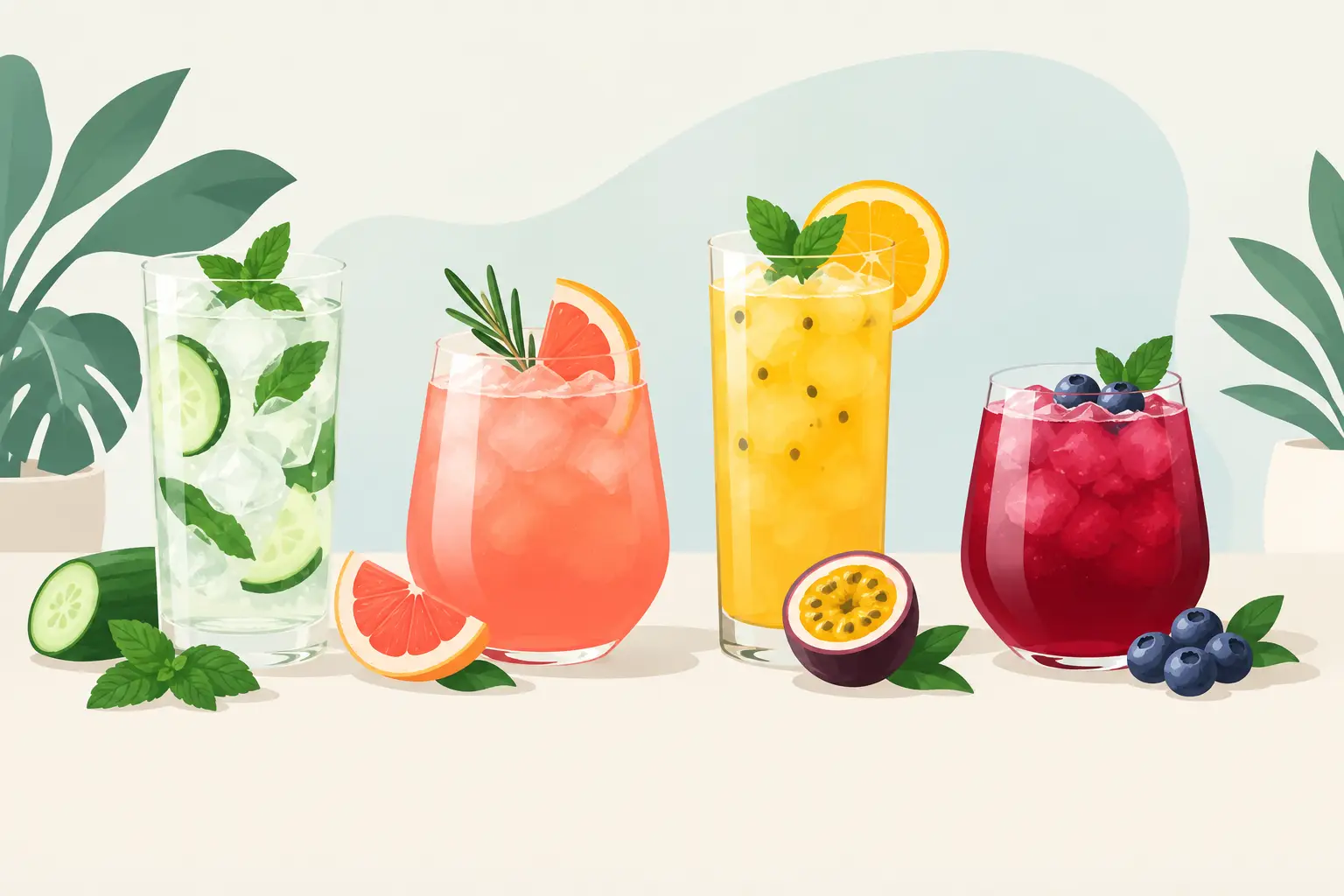
The most interesting alcohol free beverage trends are not happening at the edge of the drinks list. They are moving to the center of the table: poured before a Champagne dinner, offered alongside mature Bordeaux, and chosen deliberately by guests who still expect complexity, ritual, and a beautifully considered glass.
For serious wine drinkers, this shift is not about replacing a great bottle with something lesser. It is about extending the pleasures of hospitality to every guest, every course, and every occasion. The best alcohol-free choices now bring bitterness, freshness, aroma, texture, and length – qualities that make a drink feel composed rather than merely sweet or functional.
Alcohol Free Beverage Trends Are Growing Up
A few years ago, many non-alcoholic offerings fell into predictable categories: soda, juice, or a dealcoholized wine that seemed to have lost its sense of place along with its alcohol. The category is now more ambitious. Producers are working with tea, verjus, distillates, botanicals, spices, vinegars, and natural extracts to build drinks with a genuine gastronomic point of view.
The result is a more mature definition of moderation. Some guests may be abstaining entirely; others may be pacing themselves through a long lunch, driving home, training for an event, or simply taking an evening off. Their reasons are personal. What matters to a host is that the alternative feels equally intentional.
This is particularly relevant for dinners where wine remains the centerpiece. A collector may open a refined vintage for the main course while another guest starts with a chilled botanical aperitif and moves to a savory tea-based pairing. Neither choice needs an apology. A well-planned table makes room for both.
The move from imitation to identity
There is still a place for alcohol-removed wine, especially for drinkers who enjoy familiar varietal cues and the ritual of serving wine in stemware. But the strongest category growth is coming from beverages that do not pretend to be wine at all. They aim to be delicious in their own right.
A bitter, citrus-led aperitif can provide the appetite-awakening lift associated with a classic spritz. A sparkling tea can offer tannin, acidity, and a dry finish that makes it highly credible with food. Verjus-based drinks can bring the bright grape-derived acidity that a meal often needs, without the weight of alcohol.
This distinction matters because alcohol contributes body, aroma release, and palate warmth. Removing it can leave a conventional wine thin unless the producer has thoughtfully rebuilt texture and balance. A purpose-built alternative starts from a different question: what would make this drink compelling with dinner?
Flavor, Not Abstinence, Is Driving Choice
The category’s most promising bottles are increasingly dry, restrained, and layered. They favor bitter orange, gentian, tea leaf, ginger, rosemary, tart cherry, pepper, and saline mineral notes over overt sweetness. That profile suits adults accustomed to fine wine, Champagne, and serious cocktails.
Sweetness remains the dividing line. A sweeter sparkling drink can be delightful with brunch, fruit desserts, or spicy dishes, but it may feel clumsy next to delicate sashimi, oysters, or a composed first course. For aperitif service and savory food, look for crisp acidity, low or moderate sugar, and a finish with some grip.
Carbonation is also doing important work. Fine bubbles lend energy and lift aromas, while a still botanical drink can show greater breadth and a more wine-like sense of texture. Neither is inherently superior. The right choice depends on the menu, the time of day, and whether the drink is meant to refresh or accompany a full plate.
Functional claims need a clear-eyed view
Another visible trend is the rise of drinks positioned around adaptogens, nootropics, calming botanicals, or mood-enhancing ingredients. This can be an appealing direction for shoppers seeking an alternative to a late-night cocktail, but the language deserves discernment.
A sophisticated flavor profile is reason enough to buy a bottle. Claims about energy, focus, relaxation, or wellness should be treated carefully, particularly where dosage and evidence are unclear. For entertaining, the more dependable measure is simple: does the drink taste balanced, look inviting in the glass, and suit the occasion?
Pairing Alcohol-Free Drinks With Food
Wine pairing principles remain surprisingly useful. Consider acidity, weight, sweetness, aromatic intensity, and the dish’s dominant flavor. The absence of alcohol changes the balance, but it does not eliminate the need for contrast and harmony.
For fresh seafood, crudo, and lightly seasoned Japanese dishes, choose a dry sparkling tea or a crisp citrus-and-herb aperitif. The drink should have enough brightness to refresh the palate without overwhelming the dish’s delicate texture. A saline or lightly tannic finish is particularly useful here.
With richer poultry, roast pork, mushrooms, and truffle-driven dishes, look for more structure: oolong or black tea, warming spice, red-fruit acidity, or gentle bitterness. These flavors can stand up to umami in much the same way that an elegant Pinot Noir or mature Nebbiolo might, though the experience will naturally be lighter.
Spicy Southeast Asian food calls for precision rather than brute force. A touch of fruit and residual sugar can soften heat, while lime-like acidity keeps the pairing bright. Avoid aggressively bitter drinks with very hot chilies, as bitterness can make spice appear sharper. For desserts, a sparkling fruit-led option is often more convincing than a dry botanical bottle, provided its sweetness is matched to the dish.
The New Rules of Serving
Thoughtful service separates a memorable alcohol-free option from an afterthought. Serve it cold enough to be refreshing, but not so cold that aroma disappears. Most sparkling aperitifs show best well chilled, while more complex tea or botanical bottles can benefit from a few minutes in the glass.
Glassware matters. A flute or white-wine glass lends occasion and concentrates aroma; a rocks glass may better suit a bitter aperitif over ice. Garnishes should clarify the drink’s character, not camouflage it. A twist of grapefruit, a sprig of rosemary, or a thin slice of ginger can be effective when it echoes the bottle’s profile.
Do not automatically pour alcohol-free drinks into the smallest available glass. That signals compromise before the guest has taken a sip. Give the beverage the same visual care as the Champagne or wine being served, and offer it with the same confidence.
What to Look for When Buying
The expanding shelf can be confusing because “non-alcoholic” covers several very different styles. Dealcoholized wine starts as wine and has its alcohol removed. Botanical aperitifs are built from herbs, spices, and extracts. Sparkling teas emphasize tannin and acidity. Verjus drinks draw their energy from pressed unripe grapes. Each can be excellent, but they serve different moments.
When choosing a bottle, start with the role it will play. An aperitif should be lively and appetite-stimulating. A dinner pairing needs enough intensity to remain present beside food. A celebratory pour benefits from bubbles and visual elegance. For a gift, seek a producer with clear provenance, an articulate flavor philosophy, and packaging worthy of the occasion.
It also pays to check serving recommendations and sugar levels where available. Premium positioning alone does not guarantee balance. The most rewarding bottles are those with a clear point of view on flavor, whether that means a bracingly dry profile, a polished bitter finish, or fragrant layers that unfold slowly in the glass.
A More Generous Kind of Wine Culture
For wine lovers, the rise of alcohol-free drinks does not diminish the pleasure of opening a beautifully cellared bottle. If anything, it raises the standard for the whole occasion. A table can now accommodate a rare Champagne, a benchmark Barolo, and an equally considered zero-proof pour without dividing guests into separate camps.
That is the real opportunity behind these alcohol free beverage trends: more people can participate fully in the conversation, the meal, and the ritual of a fine pour. For your next dinner, choose one alcohol-free bottle with as much care as the wine, taste it before guests arrive, and give it a place on the table that feels entirely its own.


