


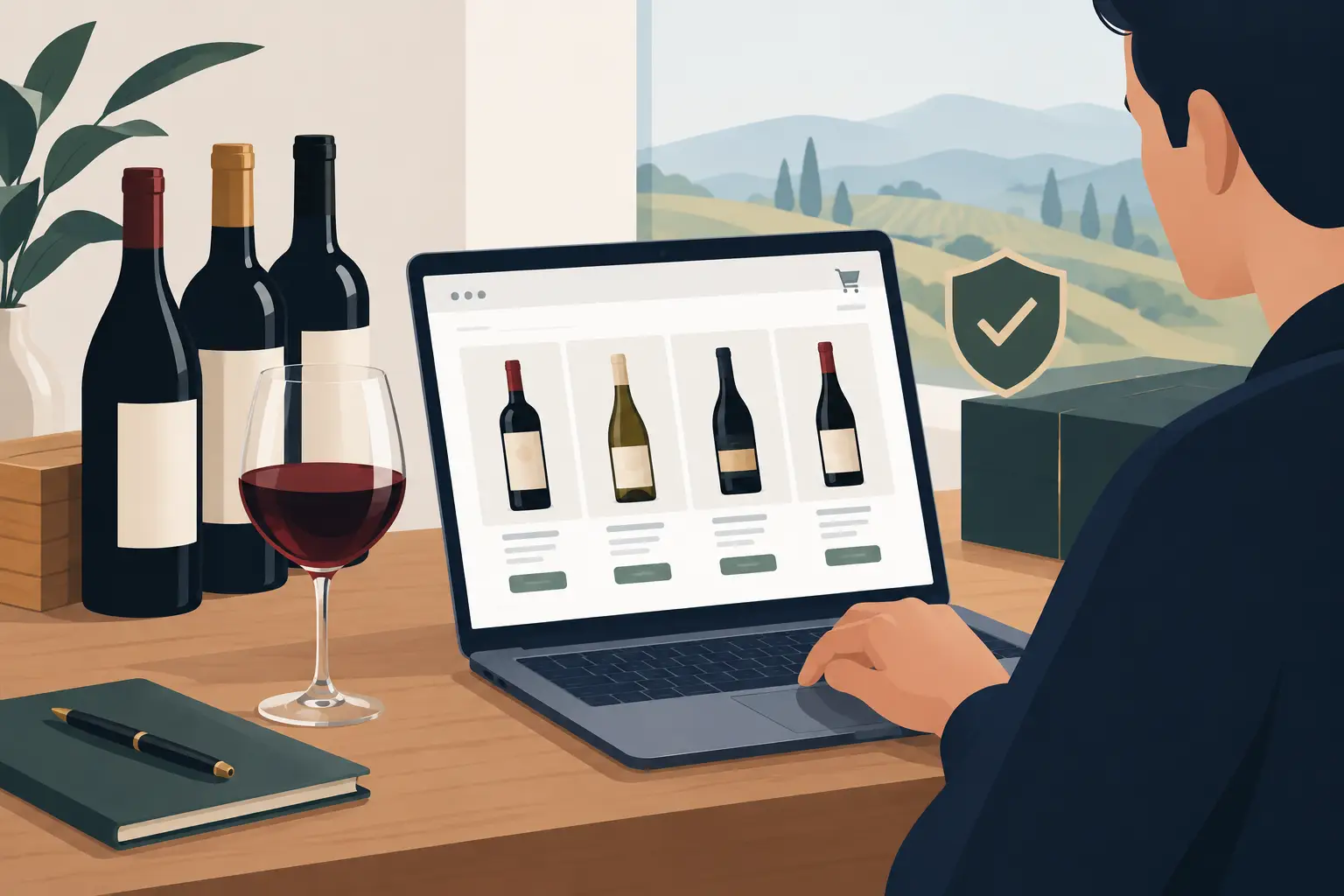
A dinner invitation for eight, a milestone gift, or an empty space in the cellar can all lead to the same question: which bottle is actually worth buying? When you Buy Wines Online, the advantage is not simply convenience. It is the ability to compare producer, vintage, appellation, format, critic opinion, and price before committing to a bottle.
For fine-wine buyers, that level of choice is valuable only when it is paired with sound judgment. A 100-point score may signal greatness, but it does not automatically make a wine right for tonight’s roast chicken, a recipient who prefers lighter reds, or a cellar that already leans heavily toward young Bordeaux. The best online purchase starts with purpose, then narrows toward provenance and quality.
Buy Wines Online by Starting With the Occasion
Before filtering by country or critic score, decide what the wine needs to do. A bottle for immediate enjoyment calls for a different approach from a bottle intended to mature for a decade. Likewise, an impressive business gift may require a recognizable estate and polished presentation, while a relaxed weekend lunch may be better served by a vivid Beaujolais, elegant Austrian Grüner Veltliner, or finely balanced Italian white.
For a meal, begin with the main texture of the dish rather than a rigid pairing rule. Rich, marbled beef can carry the structure and dark-fruit depth of Cabernet Sauvignon, Barolo, or Brunello di Montalcino. Roast duck often welcomes Pinot Noir, especially one with fragrant red fruit and fresh acidity. Shellfish, sushi, and lighter Southeast Asian dishes can be superb with dry Riesling, Champagne, Chablis, or a mineral-driven Sauvignon Blanc.
The occasion also determines format. A standard 750ml bottle is ideal for a small dinner, but magnums make a generous statement at celebrations and can develop particularly gracefully in the cellar. Half bottles are useful when two people want a considered pour without opening more than they can enjoy. These details are easy to overlook in a crowded store and easy to select online.
Use Filters as a Buying Tool, Not a Shortcut
An organized wine catalog lets buyers move beyond broad categories such as red or white. Filters for region, vintage, bottle size, sweetness, price, and professional score make it possible to shop with a clear brief. If you want a mature left-bank Bordeaux below a defined budget, or a grower Champagne for an aperitif, a thoughtful search saves time without reducing the pleasure of discovery.
Still, filters should guide rather than dictate. A wine with a lower score can be a more satisfying choice than a higher-scoring bottle if it suits your palate, meal, or drinking window. Critic assessments are most useful when read as descriptions of style and potential. Notes such as “full-bodied,” “tightly wound,” “sensational perfume,” or “breathtakingly long finish” reveal whether a wine is likely to be generous now, reserved and cellar-bound, floral and delicate, or structured for a long meal.
When comparing wines online, look closely at four details:
- The producer’s track record and position within the appellation.
- The exact vintage, including its character and relative maturity.
- The critic’s tasting note and the date of the review.
- The bottle format, condition information, and stated source where available.
Together, these details are more useful than a score alone. A 95-point wine from a great producer may be spectacular but still need years in bottle. Another 93-point wine from an approachable vintage may deliver more pleasure this weekend.
Read Vintage in Context
Vintage matters most in regions where weather shapes structure, ripeness, and longevity. Bordeaux can vary markedly between cool, classically proportioned years and warmer, more generous ones. Burgundy rewards attention to both producer and site, because a skilled domaine can make a compelling wine even in a more challenging growing season. In Barolo and Brunello, vintage conditions influence tannin, aromatic lift, and the patience required before opening.
This does not mean buyers should only chase celebrated years. Less-hyped vintages can offer excellent value, earlier accessibility, and a more transparent expression of place. The practical question is not whether a vintage is famous. It is whether the particular wine is suited to your intended drinking date.
Provenance Is Part of the Wine
For collectible bottles, provenance is not a footnote. It is central to value, authenticity, and eventual enjoyment. Fine wine is sensitive to heat, light, vibration, and poor handling. A revered château or grand cru vineyard cannot compensate for a bottle that has been stored carelessly.
Buying from a dedicated merchant provides a more informed route than treating fine wine as a commodity. Look for exact producer and vintage listings, clear bottle formats, reputable sourcing, and retail teams that can answer specific questions. For older wines and pristine-case purchases, ask about condition, levels, labels, original packaging, and recommended drinking windows. A serious merchant should welcome those questions.
This is also where buying locally can be reassuring. A specialist retailer with a physical presence gives you a place to seek advice, inspect appropriate purchases, collect a gift, or continue the conversation after the bottle is opened. Crystal Wines combines that access with a catalog built around benchmark regions, professional ratings, and wines for both immediate drinking and long-term cellaring.
Build a Cellar That Is Enjoyable, Not Just Impressive
The temptation when shopping online is to fill a cart with prestige labels. A more rewarding cellar has range. Keep a foundation of reliable bottles that can be opened without ceremony, then add wines that deserve a specific occasion and bottles that will benefit from time.
A balanced collection might include fresh whites and sparkling wines for entertaining, versatile reds for weeknight meals, a handful of age-worthy Bordeaux, Burgundy, Barolo, or Brunello, and a few distinctive bottles chosen purely for curiosity. Sweet wine, fortified wine, and non-alcoholic alternatives can also earn their place when guests and menus call for them.
Price tiers help create this balance. Set a comfortable everyday range, a celebratory range, and a small allocation for cellar candidates. This approach reduces impulse buying and makes room for the bottles that genuinely excite you. It also means that opening a great wine feels like enjoyment rather than an accounting decision.
Know When to Buy One Bottle and When to Buy More
A single bottle is sensible when you are discovering a new producer, grape, or region. Buying three can be wiser for a wine with aging potential: open one relatively early, revisit the second after several years, and keep the third for a special occasion. Cases have an obvious appeal for collectors, especially when a wine is scarce or strongly positioned for long-term development, but they require confidence in both storage and personal taste.
En Primeur adds another consideration. It can be an attractive way to secure sought-after Bordeaux while it is still in barrel, often with future delivery rather than immediate drinking. The trade-off is patience. Buyers should be comfortable tying up funds and waiting for the wine to be released, stored, and ready to enjoy.
Check the Practical Details Before Checkout
The final moments before purchase deserve the same attention as the search. Confirm the vintage, bottle size, quantity, delivery timing, and storage plan. If the wine is intended as a gift, consider whether the recipient is likely to open it soon or cellar it, and choose accordingly. A glorious young classified-growth claret may be memorable, but an elegant Champagne or ready-to-drink Rioja can be a more immediately generous gesture.
Once the bottles arrive, store them somewhere cool, dark, and stable. Wines sealed with natural cork should generally rest on their sides to help maintain cork moisture. Avoid the kitchen counter, bright shelving, and any spot exposed to regular heat swings. If your collection is growing beyond a few special bottles, temperature-controlled storage is a sensible investment.
The pleasure of buying wine online lies in making a choice with intent: a bottle that reflects its vineyard, fits the table, and arrives with the confidence to be opened, shared, and remembered.


