


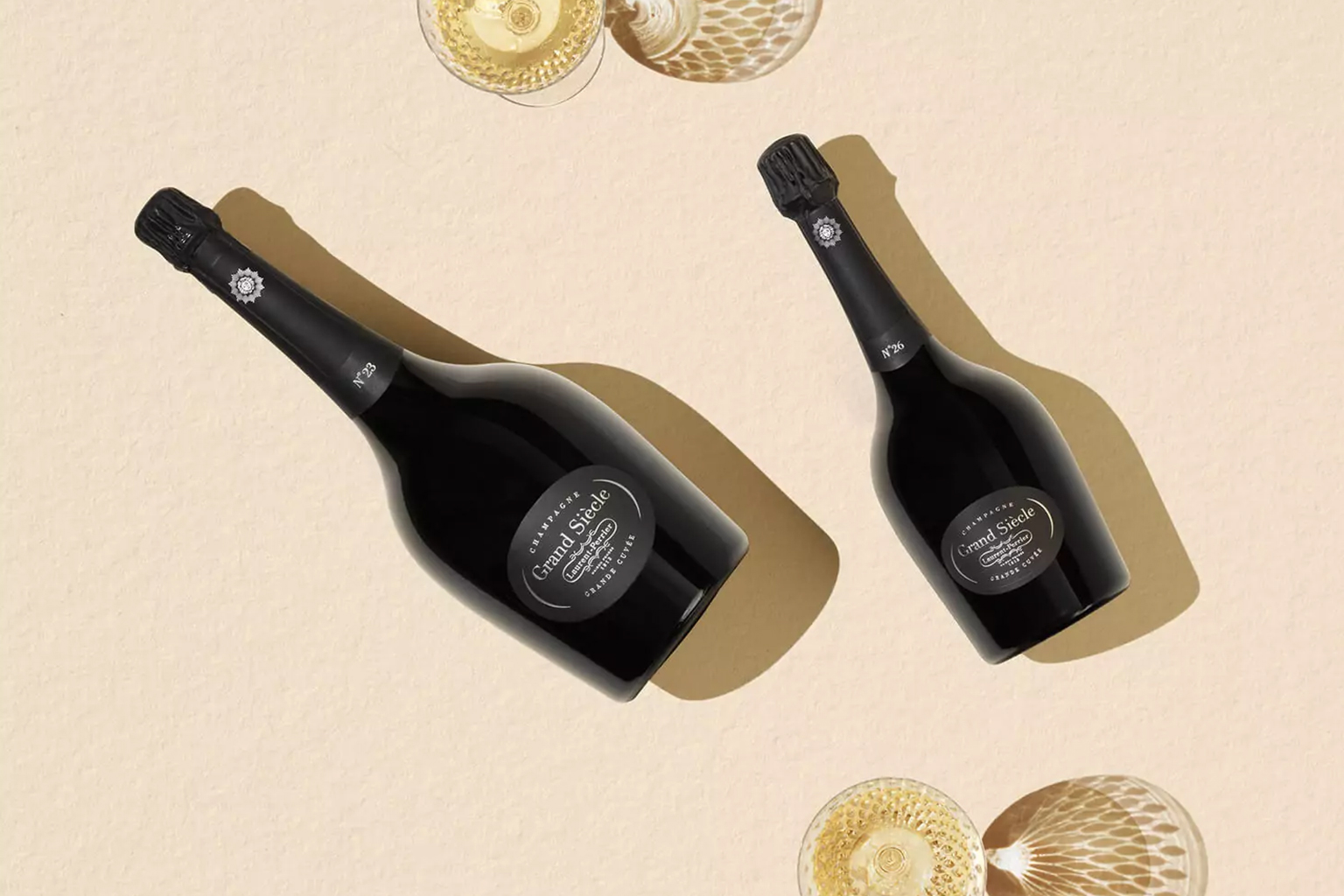
A magnum arriving at the table changes the occasion before the cork is even pulled. It has presence, certainly, but the real magnum wine bottle benefits go well beyond spectacle. For collectors, a 1.5-liter bottle can offer a more graceful evolution in the cellar. For hosts, it keeps a generous table supplied with one beautifully chosen wine. For Champagne lovers, it can deliver remarkable freshness and poise.
A magnum is the equivalent of two standard 750ml bottles, yet it is not simply a bigger pour. Bottle size affects how wine develops, how it is served, and how memorable it feels when shared. That makes it one of the most rewarding formats to consider for a landmark vintage, a dinner party, or a cellar built for the long term.
Why magnum wine bottle benefits matter in the cellar
The principal advantage of a magnum is its potential to age more slowly and evenly than the same wine in a standard bottle. A larger volume of wine sits beneath a relatively similar cork closure, so the wine is generally exposed to less oxygen relative to its total volume over time. This can support a more measured evolution of aroma, texture, and color.
For age-worthy reds, that slower trajectory is compelling. A classified-growth Bordeaux, structured Barolo, or fine Brunello in magnum may retain its dark-fruit character and firm architecture longer, then develop cedar, tobacco, dried rose, truffle, and savory complexity with exceptional harmony. Rather than racing toward maturity, the wine can have more time to knit its tannins and integrate its oak.
The effect is real, but it is not magic. Producer quality, vintage conditions, closure quality, provenance, and storage remain decisive. A great wine poorly stored will not be rescued by a large format. Conversely, a well-kept standard bottle from a superb estate can be magnificent. Think of the magnum as a format that enhances the prospects of a wine already made to evolve.
Temperature stability is another practical consideration. More liquid has greater thermal mass, so a magnum tends to react less quickly to short-term temperature fluctuations than a smaller bottle. That is useful in any serious cellar, though it is never a substitute for cool, dark, consistently stored conditions.
Champagne in magnum: freshness with extra dimension
Champagne is often particularly compelling in magnum. The format is prized for preserving vibrancy while allowing the wine to gain detail over time. A mature prestige cuvée in magnum can show an energetic bead, lifted citrus and white-flower perfume, and the layered brioche, hazelnut, and chalk notes that make mature Champagne so captivating.
For a celebratory meal, the format also has a practical rhythm. One magnum offers 10 generous five-ounce pours or about 12 more modest aperitif servings. It is often exactly right for a dinner of six to eight people, especially when Champagne is served at the start and revisited with lighter courses.
Magnum wine bottle benefits for entertaining
A standard bottle can disappear surprisingly fast once dinner is underway. A magnum gives the host breathing room. It lets everyone at the table experience the same wine at the same stage of opening, rather than moving hurriedly from one bottle to another or finding that the last guests receive a different pour.
That shared reference point matters with fine wine. If a 2016 Saint-Émilion begins with black cherry, graphite, and violet before broadening into cocoa and spice, the table can follow that progression together. Conversation becomes more animated when guests are tasting the same bottle, not comparing a fresh bottle with one opened an hour earlier.
Magnums also make a thoughtful visual center for a dinner, milestone birthday, holiday gathering, or corporate celebration. Their scale signals generosity without requiring theatrical excess. The best choice is usually a wine that fits the meal and the guests, not simply the most expensive label available.
For a dinner built around roast lamb, ribeye, or slow-braised beef, a mature Bordeaux blend, Barolo, or Brunello in magnum can be a superb anchor. For Japanese cuisine, seafood, or poultry, consider a refined white Burgundy, top Riesling, or Champagne. With a mixed group, the advantage of a magnum is not that it pleases every palate, but that it creates one considered experience for the table.
The trade-offs before buying a magnum
A magnum is not automatically the most sensible purchase. It costs more than a standard bottle, weighs substantially more, and takes more space to store. It may also be less convenient for a quiet dinner for two, unless you are comfortable preserving the remaining wine with an appropriate system and enjoying it over the next day or two.
Availability is another factor. Estates do not always release every wine in every format, and magnums of sought-after vintages may be allocated in smaller quantities. Their scarcity can add collectibility, but it can also mean a meaningful premium over two equivalent standard bottles. That premium may be justified for a celebratory pour, long-term cellaring, or gifting. It is less persuasive if the wine is intended for casual weekday drinking.
Serving requires a little preparation. A full magnum is heavy, and older bottles can carry substantial sediment. Stand a mature red upright for at least a day before service if possible, then decant with care. Younger wines with significant tannin may benefit from a broader decanter and more air, while older bottles should be assessed gently rather than given an automatic long decant.
Make sure your ice bucket, refrigerator shelf, and wine rack can accommodate the format. For sparkling wine, a larger bucket with enough ice and water to chill the bottle properly is far more effective than a shallow pile of ice. The ideal serving temperature remains crucial: generosity of format cannot compensate for warm Champagne or an overly chilled mature red.
Which wines deserve the magnum treatment?
The strongest candidates are wines with proven structure, balance, and pedigree. Young Bordeaux from a strong vintage, traditional Barolo, Brunello di Montalcino, Northern Rhône Syrah, collectible California Cabernet, and prestige Champagne are natural choices. These wines have the acidity, tannin, concentration, or fine mousse to reward patience.
There is also pleasure in choosing a magnum that is ready sooner. A generous, polished Napa Cabernet or a fruit-driven Rioja Reserva can make entertaining easy, particularly when the point is a relaxed, abundant dinner rather than a cellar experiment. The format should suit the drinking window you have in mind.
For gifting, magnums are especially persuasive when connected to a birth year, wedding year, business milestone, or memorable vintage. Exact producer, appellation, vintage, bottle condition, and storage history matter more than size alone. A well-sourced magnum from a respected merchant offers far more confidence than a large-format bottle with uncertain provenance.
How to choose with confidence
Start with the occasion and the number of drinkers. A magnum is ideal when six to eight guests will genuinely enjoy the same wine, or when you want a special bottle to mature over many years. Then consider the wine’s style. Seek freshness and structure for cellaring, or choose a more open, expressive style for near-term entertaining.
Check the bottle’s fill level, capsule condition, label, and stated provenance when purchasing older wine. For collector bottles, original wooden cases and pristine packaging can be valuable signals, although the condition of the wine itself remains paramount. At Crystal Wines, the most useful starting point is often a conversation around the intended drinking date, menu, and preferred regions rather than a search based on size alone.
A magnum asks for a little more planning, but that is part of its appeal. Choose one with a story worth gathering around, give it the right temperature and glassware, and let the bottle set an unhurried pace for the evening.


