


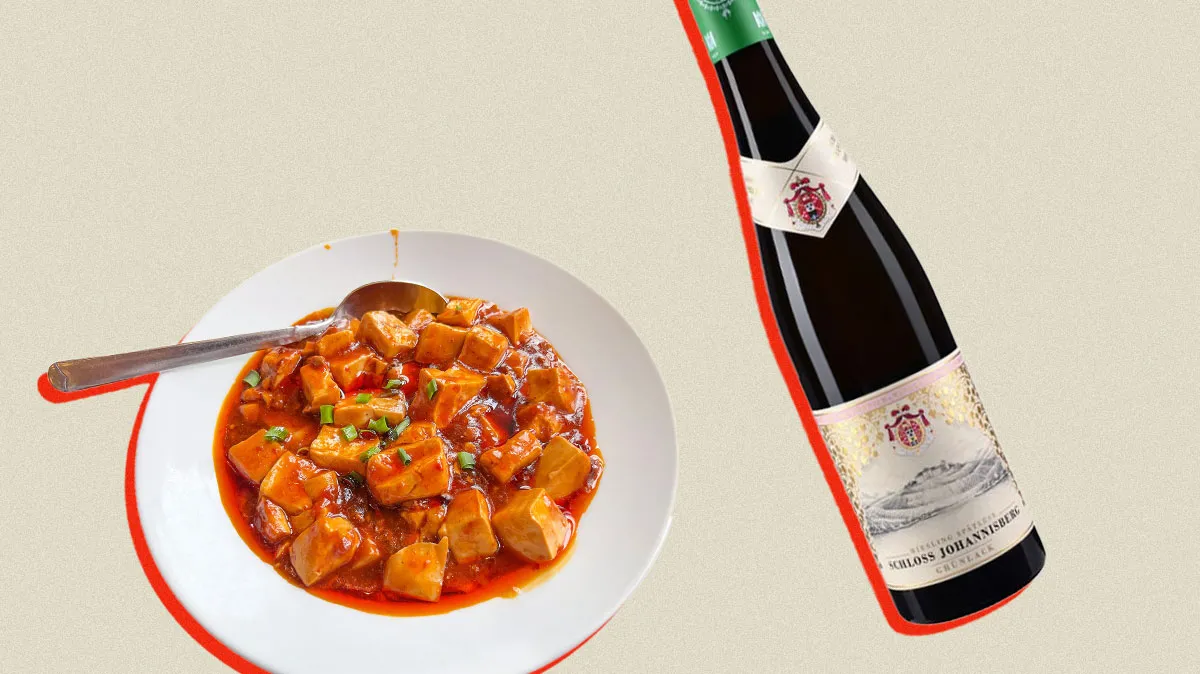
The first sip after a mouthful of chili should feel refreshing, not like someone turned up the heat. That is the central challenge of wine pairing for spicy food: capsaicin, the compound behind chili heat, can make a high-alcohol, heavily oaked, or aggressively tannic wine taste hotter, drier, and more bitter than it does on its own. The winning bottle is rarely the most powerful one. It is the one with enough freshness, fruit, and sometimes sweetness to restore balance.
For Singaporean tables in particular, where sambal, chili crab, laksa, Thai curries, Sichuan dishes, and Indian spice blends can all appear in one week, a flexible approach matters more than a rigid rule. Consider not only the heat level, but also whether the dish is rich, sour, sweet, herbal, smoky, or coconut-based. Spice is an ingredient, not a single flavor.
Why Chili Changes the Way Wine Tastes
Chili amplifies alcohol and tannin. A muscular Cabernet Sauvignon with firm grip may be breathtaking alongside a steak, yet feel austere and fiery beside sambal stingray. Likewise, a dry, high-acid white can become sharp when the food has a pronounced chili burn.
Residual sugar is often the most useful counterweight. Even a gently off-dry wine can soften heat and make aromatic ingredients such as ginger, lemongrass, Thai basil, coriander, and kaffir lime feel more vivid. This does not mean every spicy dish needs a sweet wine. It means sweetness deserves a place at the table when the chili is serious.
Acidity remains essential, especially with fried foods, rich sauces, and seafood. It cleanses the palate and gives the pairing lift. Bubbles perform a similar role, which is why Champagne and sparkling wines can be remarkably successful with crisp, spicy dishes when their dosage and fruit profile suit the heat.
The Best Wines for Spicy Food
Off-dry Riesling is the classic answer
Riesling has earned its reputation with spicy food for good reason. Its fragrant citrus, white peach, green apple, and floral notes echo aromatic Asian cooking, while its naturally high acidity keeps the wine energetic. An off-dry German Riesling, especially from the Mosel or Rheingau, offers enough sweetness to temper chili without becoming heavy.
It is particularly fine with Thai green curry, Vietnamese dishes with chili and herbs, pork satay, and dishes that lean sweet-sour. For hotter renditions of Sichuan cuisine, choose a Riesling with clear fruit and modest alcohol rather than a bone-dry, intensely mineral style. The goal is relief and contrast, not a contest of intensity.
Sparkling wine brings freshness and texture
A well-chilled Champagne, Crémant, Cava, or quality sparkling wine has two advantages: cleansing acidity and palate-lifting bubbles. Brut styles work beautifully when the dish is moderately spicy and salty, such as chili crab, fried chicken with chili sauce, tempura with a spicy dip, or prawn toast with sambal.
For dishes with a sweeter sauce or greater chili concentration, an Extra Dry sparkling wine – which is slightly sweeter than Brut despite its confusing name – can be more forgiving. Vintage Champagne with deep toast, concentration, and high acidity can also work with richer, less sugary preparations, but avoid serving an especially precious mature bottle with punishing levels of heat. Fine detail is easily lost when the palate is on fire.
Aromatic whites meet spice with perfume
Gewürztraminer, Pinot Gris, Chenin Blanc, and Muscat can be excellent choices where aromatics matter as much as heat. Gewürztraminer, with its lychee, rose petal, ginger, and exotic spice character, is a natural companion to aromatic curries, roast duck with chili, and dishes built around five-spice or warm spices. Its lower acidity means it is best with sauces that are creamy or gently sweet, rather than intensely sour.
Pinot Gris with a touch of richness suits dishes with roasted chili, grilled seafood, and coconut milk. A demi-sec Chenin Blanc can be inspired with spicy barbecue, especially where char, sweetness, and tang are all present. These wines bring fragrance and generosity, but the best examples still need freshness. A broad, low-acid white can feel flat against a vivid chili-lime sauce.
Rosé is more serious than it looks
Dry rosé is often overlooked, yet it is one of the most versatile choices for a warm-weather spread. Its red-fruit flavor, bright acidity, and chilled serving temperature make it adaptable with grilled prawns, chicken skewers, spicy salads, and chili-laced charcuterie. A pale Provençal rosé is elegant with lighter heat; a fruitier rosé with a little more body is better for barbecue glazes and richer sambals.
The trade-off is sweetness. Very dry rosé can struggle with genuinely hot dishes, so reserve it for medium spice or foods where salt, smoke, and grilled flavor take the lead.
Light reds can work, with care
Red wine is not forbidden with spicy food, but it requires restraint. Choose lower tannin, vivid fruit, and modest alcohol. Beaujolais from Gamay, a chilled Pinot Noir, or a juicy, youthful Grenache can be enjoyable with mildly spicy grilled meats, Korean barbecue, peppery duck, or tandoori dishes that are more fragrant than incendiary.
Serve these reds lightly chilled, around 55-60°F. The cooler temperature softens alcohol and emphasizes fruit. Avoid heavily extracted Bordeaux, young Barolo, powerful Napa Cabernet, and intensely oaked Shiraz when chili is dominant. Their structure deserves food with fat, protein, and depth, but not necessarily heat.
Wine Pairing for Spicy Food by Dish Style
A creamy curry calls for a different wine than a sour, herb-heavy salad. Coconut-based Thai curries benefit from off-dry Riesling, Pinot Gris, or aromatic Gewürztraminer because a little sweetness and perfume complement the richness. For a bright Thai papaya salad, choose Riesling or sparkling wine with sufficient fruit, since lime and fish sauce can make dry wines seem severe.
Sichuan cooking brings the additional sensation of numbing peppercorn. Here, floral whites are especially persuasive. Off-dry Riesling remains the benchmark, while a chilled, fruit-forward rosé can work when the dish includes roasted meats. With fiery mapo tofu, prioritize freshness and a small cushion of sugar over complexity.
Indian food depends greatly on the preparation. Creamy butter chicken or korma can handle a fuller white, including a rounded Chardonnay with restrained oak, while vindaloo or chili-forward curries need an off-dry aromatic white. Tandoori lamb and kebabs, where smoke and spice are more prominent than raw chili heat, may welcome a lightly chilled Grenache or Beaujolais.
For chili crab, the sauce is sweet, savory, tangy, and spicy, with the crab’s natural sweetness at its center. Sparkling wine is an excellent starting point, particularly a generous Brut or slightly softer Extra Dry style. Riesling is equally compelling if the sauce is hotter or sweeter. With laksa, consider an aromatic white with moderate sweetness and bright acidity to handle coconut, shrimp paste, chili, and herbs in the same sip.
Serving Details That Make the Pairing Better
Temperature is not a minor detail. Serve aromatic whites and sparkling wines well chilled, roughly 45-50°F, so they stay crisp against heat. If a wine has noticeable sweetness, a colder serving temperature helps it feel poised rather than sugary. Light reds should be cool, not cold, at about 55-60°F.
Choose your bottle according to the hottest element on the plate, not the mildest. If guests can adjust chili at the table, opening two wines is often more hospitable than trying to force a single grand bottle across every preference. A dry sparkling wine for the moderate eaters and an off-dry Riesling for those reaching for extra sambal is a thoughtful, polished solution.
This is also an occasion to favor youthful, expressive wines over mature, subtle treasures. A fine aged Burgundy or a complex old Bordeaux may be extraordinary, but chili can obscure the nuance that makes such bottles special. Save the cellar landmark for a quieter dish, and select a vivid, expertly made wine that is ready to be enjoyed generously.
At Crystal Wines, our team can help narrow the choice by cuisine, heat level, and occasion – whether you are planning a casual weekend spread or a dinner where the bottle deserves equal attention. Start with the food’s heat, then let acidity, sweetness, and serving temperature do the quiet work of making every bite more inviting.


