


Wine tasting isn’t just for experts—it’s an experience anyone can enjoy. Learning to taste wine like a sommelier heightens your appreciation and helps you choose bottles you truly love. Follow these five simple steps, using Crystal Wines’ portfolio for practice.
1. See – Observe the Wine
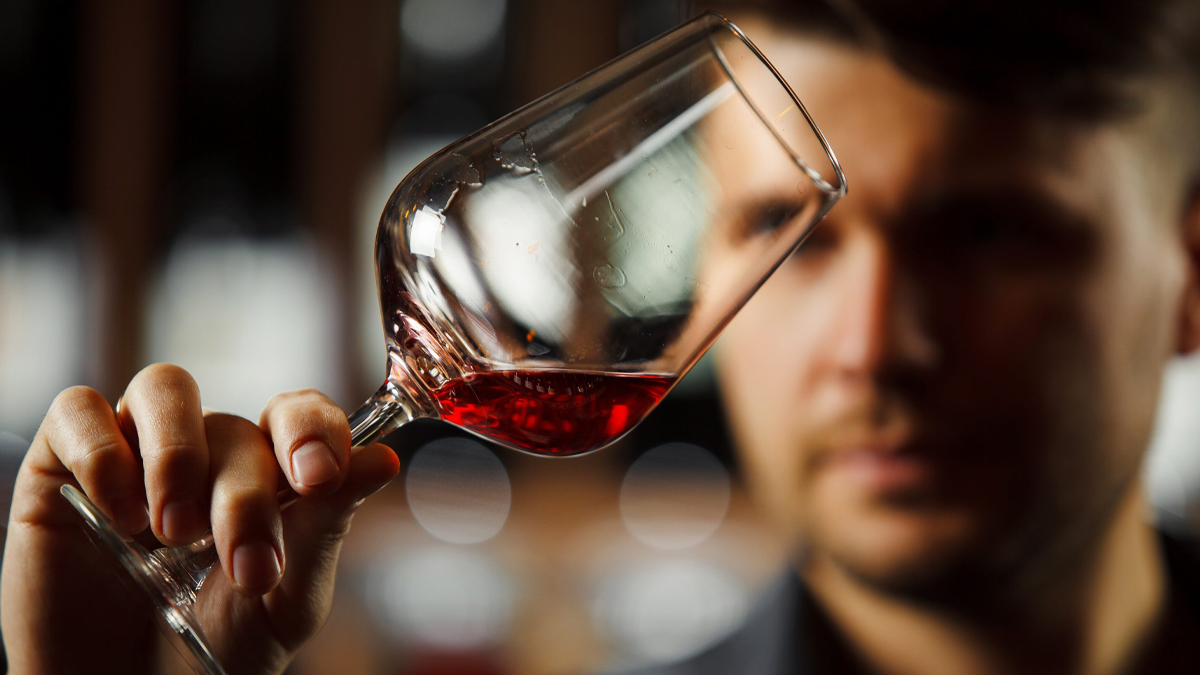
Pour the wine into a clear glass and tilt it slightly. Examine its colour and clarity:
- Greywacke Sauvignon Blanc: Pale straw with green highlights, hinting at freshness.
- De Bortoli PHI Pinot Noir: Light ruby, showing elegance and youth.
- Lamole di Lamole Chianti Classico: Deep garnet, signalling complexity.
The colour gives clues about the grape, age and style.
2. Swirl – Release Aromas
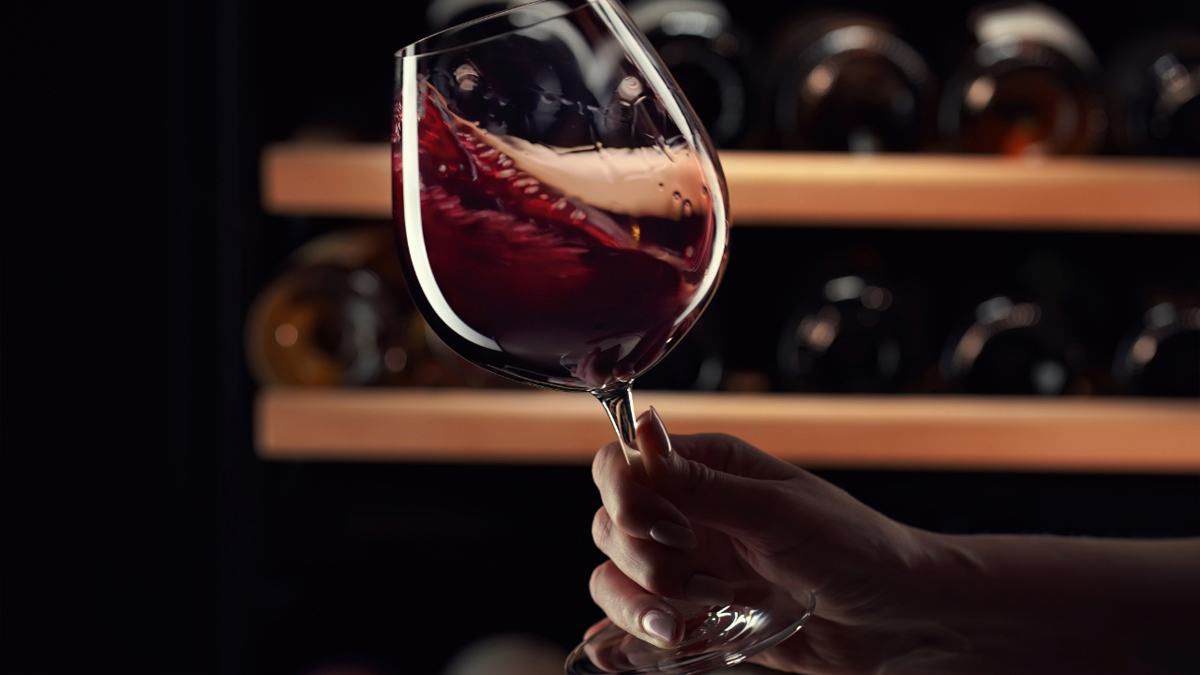
Gently swirl the glass to aerate the wine. This releases aromatic compounds, making it easier to smell the wine’s bouquet. Swirling also tells you about the wine’s body—observe how “legs” (tears) form on the glass.
3. Smell – Identify Aromas
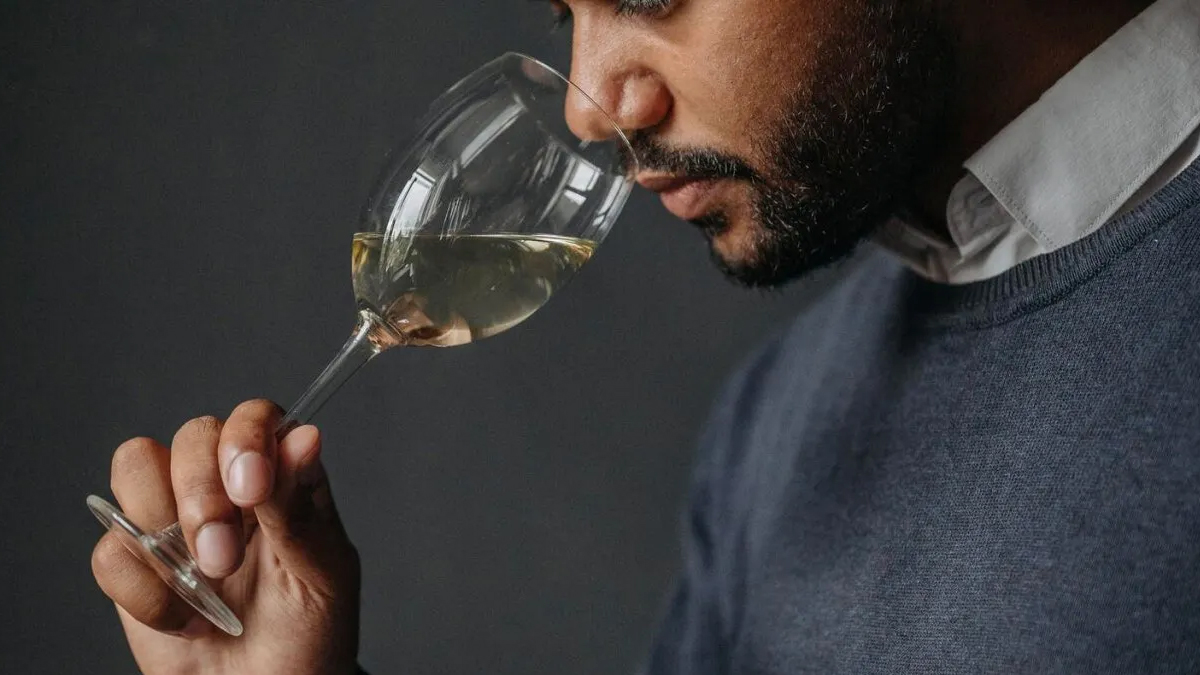
Bring the glass to your nose and take a deep sniff. Try to pick out:
- Fruit notes: citrus in Sauvignon, cherry in Pinot Noir, dark berries in Chianti.
- Floral or herbal hints: Greywacke often reveals elderflower; Lamole di Lamole Chianti Classico may show rosemary.
- Oak and spice: Vanilla, cloves or toast suggests oak aging.
Don’t worry about naming everything—just notice what you enjoy.
4. Sip – Taste and Explore
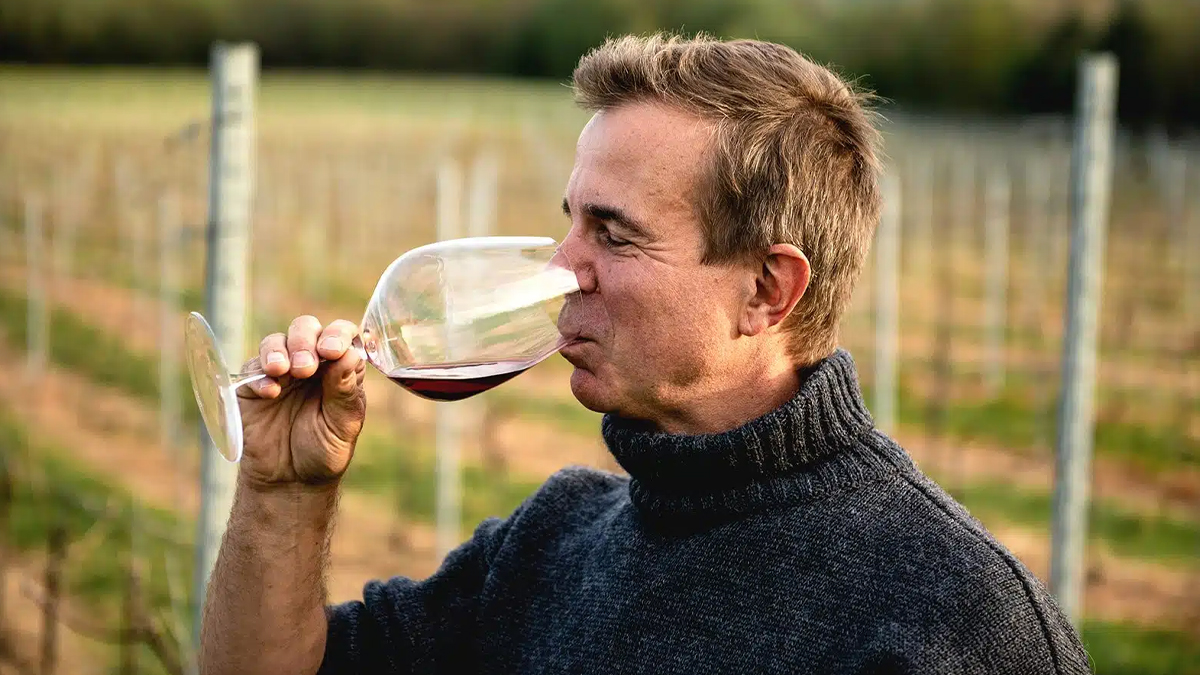
Take a small sip, allowing the wine to coat your palate. Focus on:
- Flavour intensity: Are the fruit notes strong or subtle?
- Balance: Is there harmony between sweetness, acidity, tannins, and alcohol?
- Texture: Smooth, creamy, or firm?
For example, De Bortoli PHI Pinot Noir is silky, while Lamole di Lamole Chianti Classico has firm tannins that pair beautifully with food.
5. Savour – Assess the Finish

After swallowing, notice how long the flavours linger. This “finish” reveals quality—wines like Greywacke often have a long citrusy finish, while Chianti’s herbal tones may persist pleasantly.
Practice with a Tasting Flight
Try a tasting with another set of wines at home:
- Start with Montes Outer Limits Sauvignon Blanc (white, aromatic).
- Move to Lawson’s Dry Hill Pinot Noir (light red, fruity).
- Finish with Castello di Ama Chianti Classico (structured red).
Compare colour, aromas, and flavours. You’ll see how each wine tells its own story.
Conclusion
Tasting wine like a sommelier is about curiosity, not complexity. Use these steps to slow down, observe, and savour each sip. Soon, you’ll pick up nuances you never noticed before—and enjoy every bottle to the fullest.


