


Wine has long been part of daily life — from Tuscan trattorias to French bistros. The key to wine’s role in wellbeing lies in moderate enjoyment, where wine becomes part of a lifestyle that values health, connection, and pleasure.
Lessons from the Mediterranean
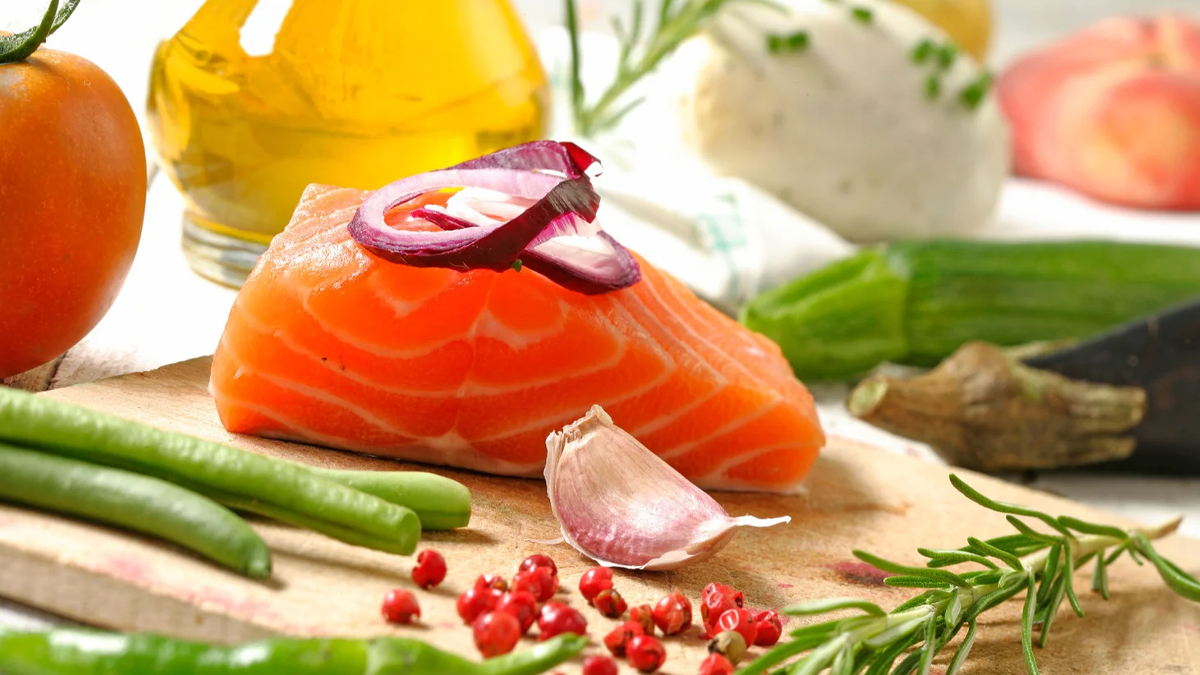
The Mediterranean diet integrates wine with wholesome food and conviviality. A bottle of Sette Ponti Crognolo Toscana IGT, with its ripe fruit and silky tannins, is a perfect companion to a grilled fish or tomato-based pasta — a reminder that balance is about harmony.
Antioxidants and Heart Health
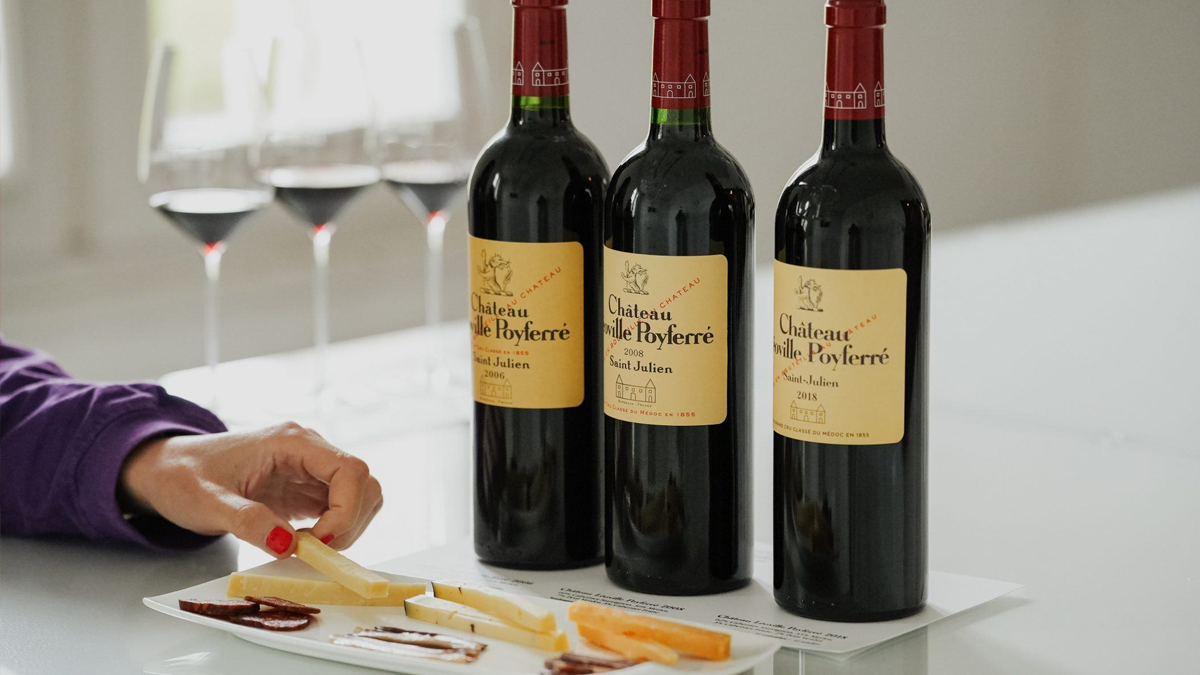
Red wines like Tasca d’Almerita Lamuri (Nero d’Avola from Sicily) or Château Leoville Poyferre (St-Julien) deliver not only elegance and depth but also the polyphenols associated with cardiovascular health.
The Science of Moderation

Moderation means enjoying a glass of wine slowly and with food. A single glass of Arzuaga Gran Arzuaga with roasted meats can elevate a meal, turning it into a balanced, soulful experience.
Wine and Food: A Balanced Partnership
- Pinot Noir (like Louis Latour Gevrey Chambertin) with salmon or mushroom risotto.
- Sauvignon Blanc (like Greywacke Sauvignon Blanc) with fresh greens and citrus salads.
- Chianti-style blends (like Ponti Orma Toscana IGT) with roasted vegetables or lean meats.
More Than Health – A Holistic View

Wine is not just about antioxidants — it’s about living fully. Sharing a Silver Heights Family Red at a dinner party, or a Ca’ del Bosco Cuvée Prestige NV during a celebration, creates joy that is equally important to wellbeing.
Conclusion
Wine in moderation is not about rules, but balance. From a glass of Zenato Pinot Grigio with seafood, to a celebratory toast of Laurent Perrier Grand Siecle Champagne, moderate enjoyment of wine supports a lifestyle that values both health and happiness.


