


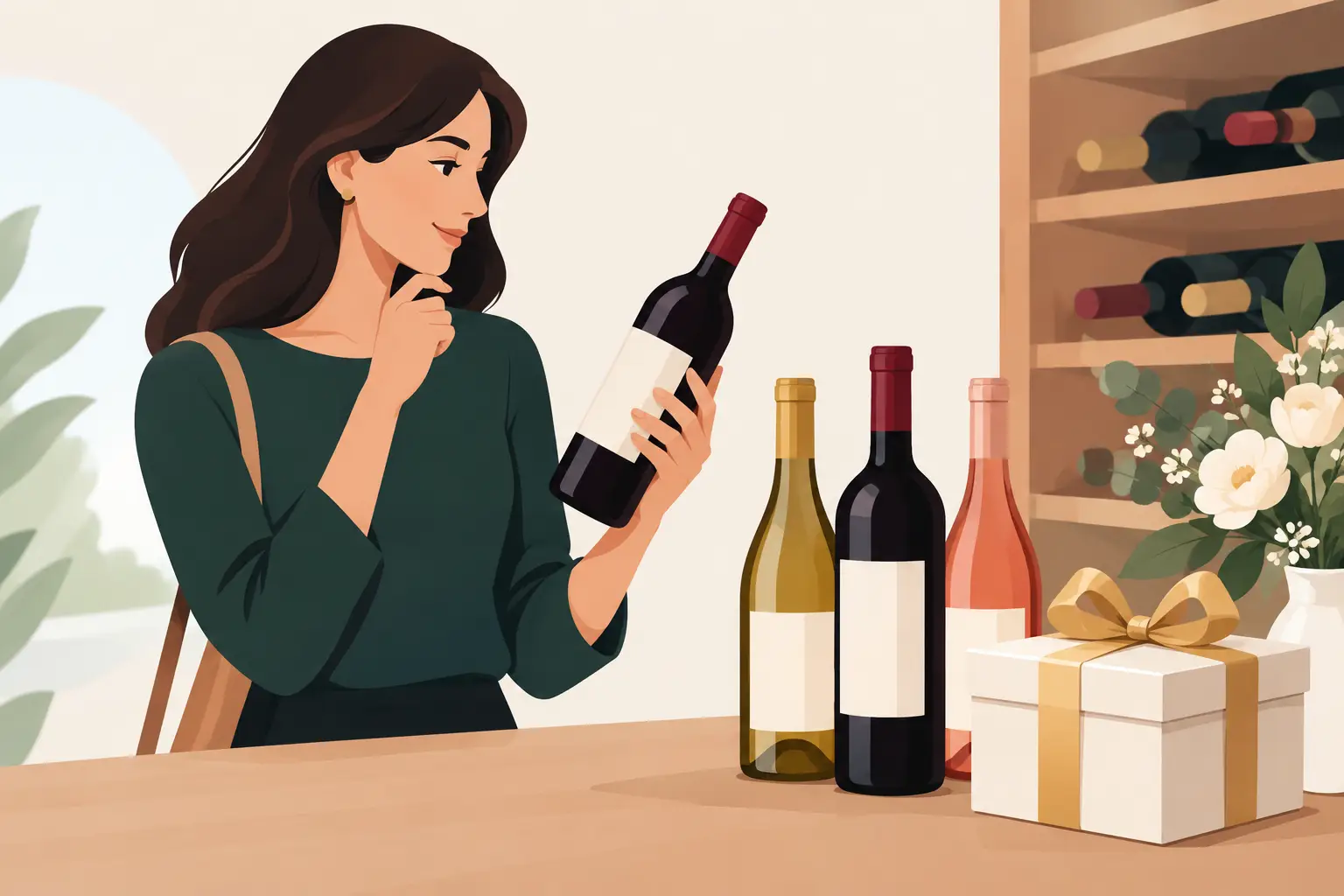
A birthday bottle should feel considered the moment it is unwrapped. The best way to choose birthday gift wines is not to chase the most expensive label, but to match the wine’s character, provenance, and drinking window to the person and the occasion. A bright, immediate Champagne may be perfect for a dinner party next weekend; a mature Bordeaux or collectible Barolo may mean far more to someone building a serious cellar.
Start With the Birthday Person, Not the Bottle
Before narrowing the region or price, think about how the recipient drinks wine. An enthusiastic host who opens bottles over Sunday lunch needs a different gift from a collector who enjoys comparing vintages, studying critics’ notes, and laying down cases for the future.
For someone who enjoys wine but does not speak in appellations, choose a polished, ready-to-enjoy bottle from a respected producer. A textured white Burgundy, refined Sonoma Cabernet Sauvignon, expressive Rioja Reserva, or elegant Chianti Classico can feel special without requiring years of cellaring or a lengthy explanation. The gift succeeds because it is easy to open, share, and remember.
For a knowledgeable enthusiast, specificity is part of the pleasure. Consider a recognizable estate from a benchmark region, an excellent vintage, or a bottle from an appellation they already admire. A classified-growth Bordeaux, Barolo from a celebrated commune, Brunello di Montalcino from a traditional producer, or Premier Cru Burgundy shows that the selection was made with attention. If you know their favorite region, producer, or grape, follow that clue rather than trying to surprise them with something obscure.
If their tastes are unknown, Champagne is the most dependable answer. It has the celebratory spirit a birthday calls for, works as an aperitif or with a full meal, and does not rely on knowing whether they prefer red or white. A non-vintage cuvée from a distinguished house is versatile; a vintage Champagne or prestige cuvée creates a more substantial occasion.
Choose Birthday Gift Wines by Occasion
A wine gift has a setting, even if it is not opened on the day. Ask yourself whether the bottle is intended for a lively gathering, an intimate dinner, a milestone birthday, or a place in the recipient’s cellar.
For a restaurant celebration or a birthday dinner at home, choose wines with immediate charm. Champagne, mature Rioja, cru Beaujolais, dry German Riesling, or supple Pinot Noir offer freshness and generosity without demanding decanting plans or extended patience. In Singapore’s warm climate, well-chilled Champagne and precise, aromatic whites are especially welcome at social occasions, particularly alongside seafood, roast poultry, or Asian dishes with gentle spice.
A milestone birthday deserves a wine that carries more narrative. Birth-year wine can be meaningful, but it is not always the best drinking experience. Some birth vintages were difficult, and older bottles need careful provenance and realistic expectations. A better choice may be a mature bottle from a strong vintage, selected for how beautifully it is drinking now. The recipient will remember the occasion more fondly if the wine is alive, balanced, and breathtakingly long on the palate rather than merely old.
For a collector, look beyond immediate enjoyment. Fine Bordeaux, Burgundy, Piedmont, and top Tuscan estates can be compelling cellar gifts, particularly in large formats. A magnum offers both visual impact and a slower aging curve, making it a fine choice for a 40th, 50th, or other significant birthday. It does, however, require suitable storage and a reason to gather friends, so it is best for a recipient who already entertains or collects.
Let Budget Signal Thoughtfulness, Not Guesswork
A gift wine should feel intentional at every price point. The label, producer reputation, condition, and presentation matter more than spending beyond your comfort level.
At an accessible premium level, focus on estates with a strong house style and a reliable track record. This is where excellent grower Champagne, cru-classified Provence rosé, village Burgundy, high-quality Australian Shiraz, and polished Spanish reds can deliver real pleasure. A well-chosen bottle from a strong producer is more persuasive than an inflated price tag from an unfamiliar name.
At higher price points, pedigree becomes more relevant. Look for famous appellations, compelling critic consensus, limited-production cuvées, and vintages with established reputations. Scores can be useful signals, especially when several respected critics recognize the same wine’s structure, perfume, and aging potential. They should not replace taste, though. A powerful, concentrated Napa Cabernet may receive exceptional praise and still be less suitable than fragrant, savory Burgundy for a recipient who values finesse.
When the budget is generous but the recipient’s preferences are unclear, do not simply buy the boldest or rarest red. Vintage Champagne, mature Bordeaux, and top white Burgundy often offer more versatility at the table. The most impressive gift is the one they will genuinely want to open.
When a Digital Gift Card Is the Better Gift
There is no loss of generosity in giving choice to a serious wine drinker. A digital gift card is particularly useful for someone who has very specific producer preferences, is buying En Primeur, or is building a cellar around exact vintages and bottle formats. Pair it with a handwritten note suggesting a celebratory category – perhaps Champagne for the birthday dinner or a bottle to lay down for a future milestone – and it still feels personal.
Read the Label for Clues That Matter
Wine labels can appear intimidating, but a few details tell you whether the bottle fits the moment. Producer is often the most useful starting point because it signals house style and quality philosophy. Vintage matters most in regions where weather has a strong influence, including Bordeaux, Burgundy, Piedmont, and Champagne. Bottle size matters when the gift is intended for a group or long-term storage.
Appellation also provides a useful stylistic shortcut. Saint-Émilion often offers plush, Merlot-led Bordeaux character, while Pauillac tends toward more structured Cabernet Sauvignon. Barolo is typically perfumed, firm, and built for food or time; Brunello brings Sangiovese’s savory cherry fruit, acidity, and graceful structure. In Burgundy, Pinot Noir can range from delicate and floral to deeply layered depending on village, vineyard, and producer.
Do not assume an older vintage is automatically better. Fine wine evolves at different speeds, and storage conditions are decisive. For mature bottles, buy from a specialist merchant that can speak clearly about provenance, condition, fill levels, and expected drinking maturity. That confidence is part of the gift.
Consider Food, Especially for a Hosted Celebration
If the birthday wine will be served at a meal, food pairing helps turn a beautiful bottle into a successful evening. Champagne is remarkably flexible with fried foods, sashimi, shellfish, and salted snacks. Chardonnay with bright acidity suits roast chicken, seafood, and creamy dishes. Pinot Noir is a natural companion to duck, mushrooms, and salmon, while Cabernet-based Bordeaux comes into its own with steak, lamb, and richly flavored roasts.
For spicier dishes, avoid heavily oaked, high-alcohol reds that can amplify heat. Off-dry Riesling, aromatic Gewürztraminer, chilled Gamay, or fruit-forward Grenache blends are often more generous choices. The goal is not to follow rules rigidly, but to avoid presenting a great bottle in a setting that makes it seem less harmonious than it is.
Presentation Makes a Fine Bottle Feel Like a Gift
A birthday wine does not need excessive packaging, but it should arrive in excellent condition and be given with a few words of context. Mention the producer, why you chose the vintage, or when you think it should be opened. A note such as, “For your next dinner with friends,” gives an immediate-drinking wine purpose. “Save this for your tenth anniversary,” gives a cellar-worthy bottle a future story.
If you are adding accessories, keep them useful. Proper stemware, a reliable corkscrew, or a decanter can complement a serious red. For Champagne, the bottle itself is usually the statement. Avoid turning the gift into a collection of novelties that distract from the wine.
A knowledgeable merchant can make the final choice far less uncertain. At Crystal Wines, expert guidance can help you compare vintages, critics’ views, drinking windows, and bottle formats before selecting a bottle that feels appropriate rather than merely expensive.
The most memorable birthday wine is one the recipient feels invited to enjoy. Choose a bottle with a clear reason behind it, then give them permission to open it at the right moment – whether that is tonight’s celebration or a milestone still waiting on the horizon.


