


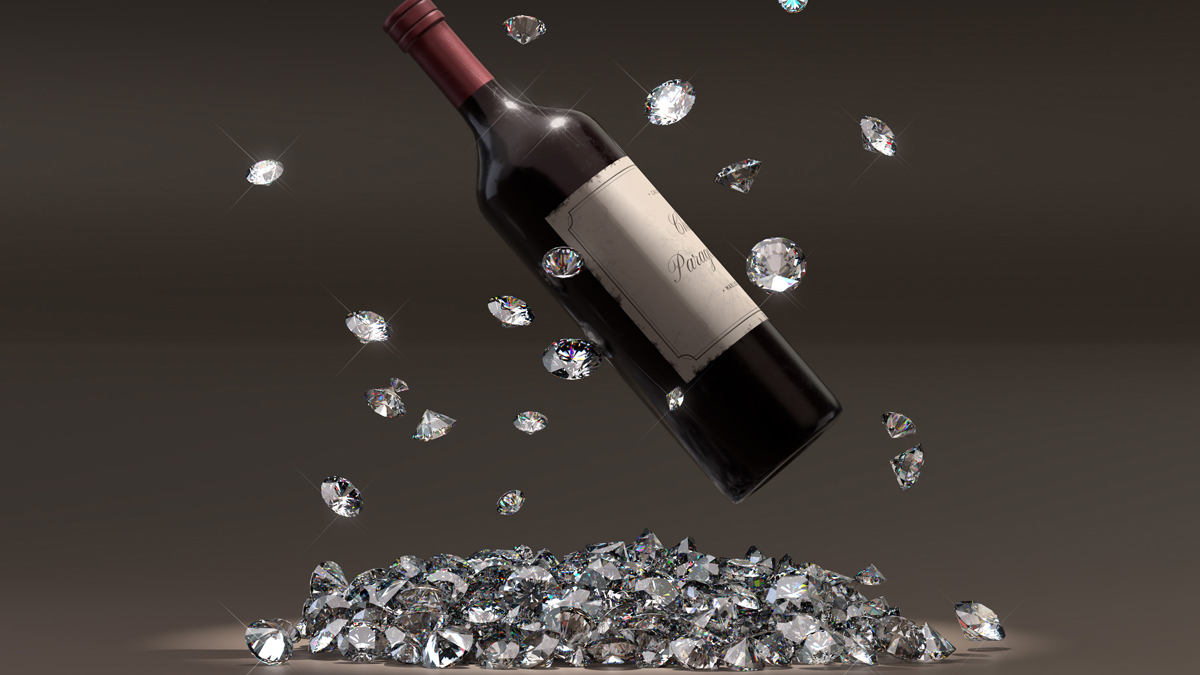
Wine pricing can often seem inconsistent. Two bottles may appear similar, yet differ significantly in price. Understanding what drives these differences helps in making more informed and confident choices.
Price is not determined by a single factor, but by a combination of quality, origin, production and reputation.
Terroir: The Foundation of Quality
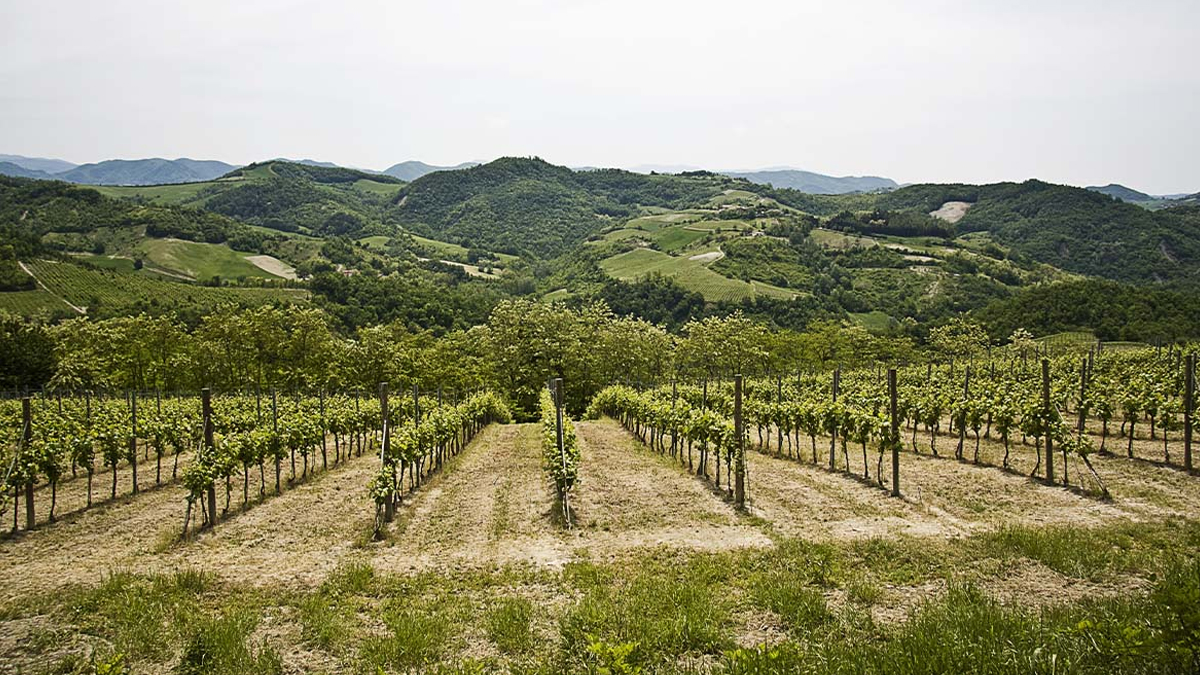
Terroir refers to the unique combination of soil, climate and location that influences how grapes grow.
Regions such as Burgundy or specific vineyard sites in the Rhone produce limited yields with distinct characteristics, which contribute to higher value.
Production Methods and Craftsmanship
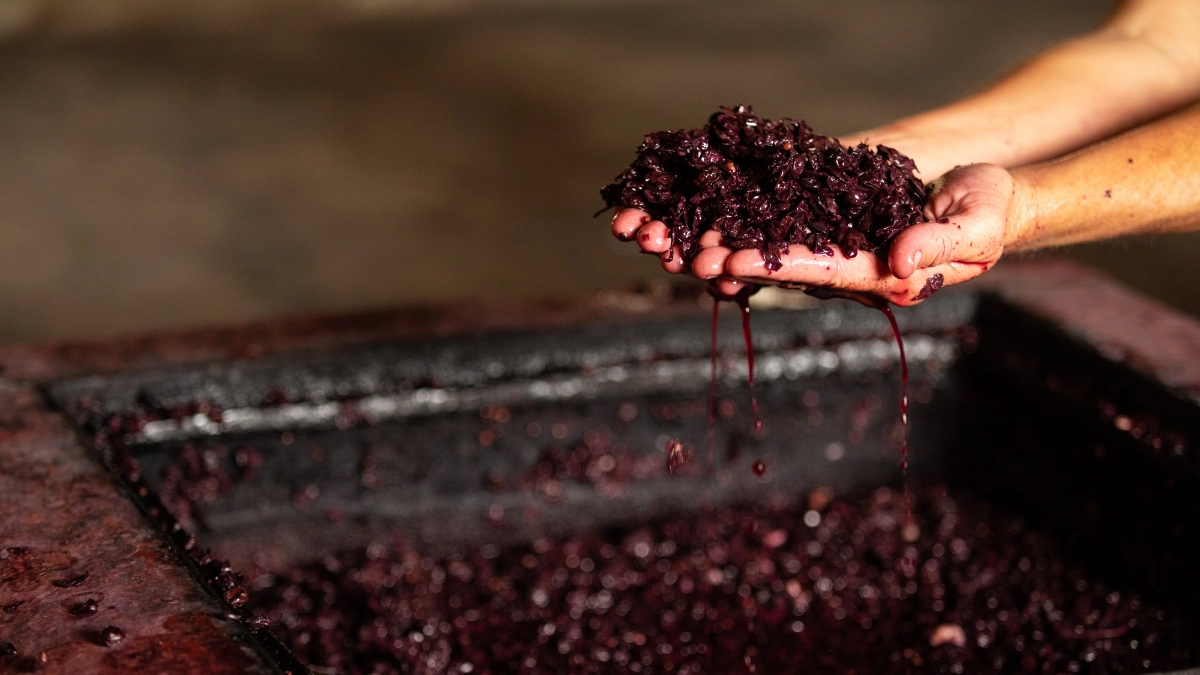
Hand harvesting, low yields and careful winemaking increase both cost and quality.
Producers that focus on precision and detail often produce wines with greater balance and ageing potential.
Ageing and Time Investment
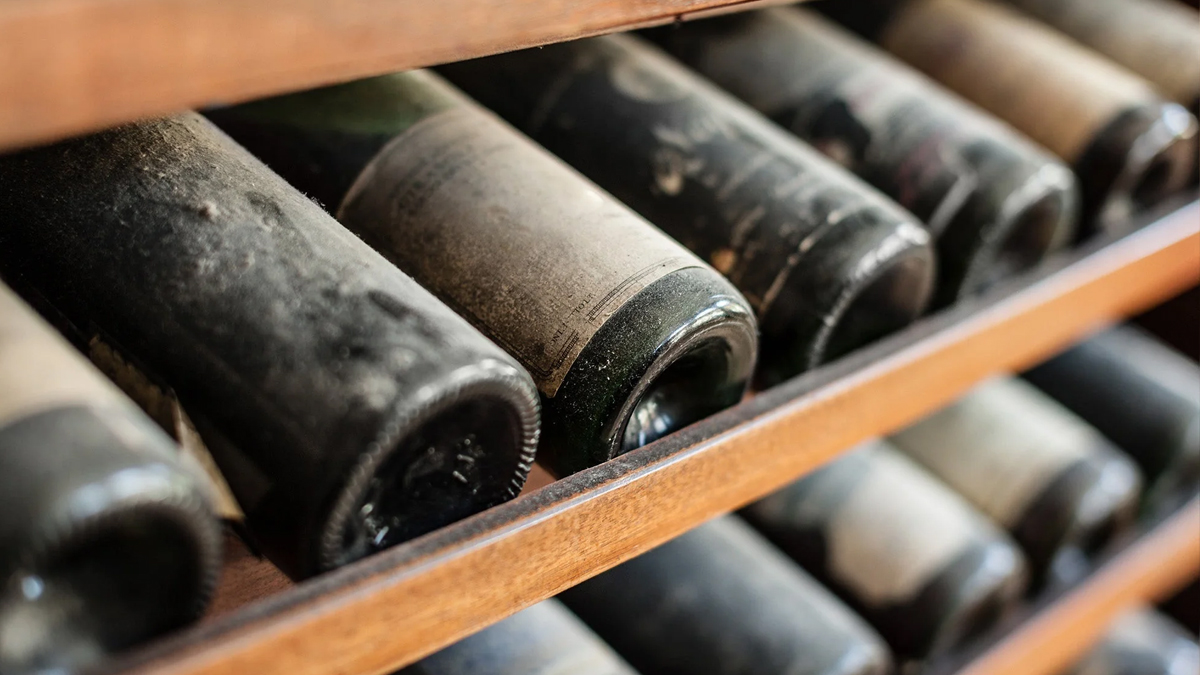
Wines that are aged longer—whether in oak barrels or in bottle—require time, storage and capital.
Prestige Champagnes, for example, are aged for extended periods before release, contributing to both complexity and price.
Brand, Heritage and Reputation
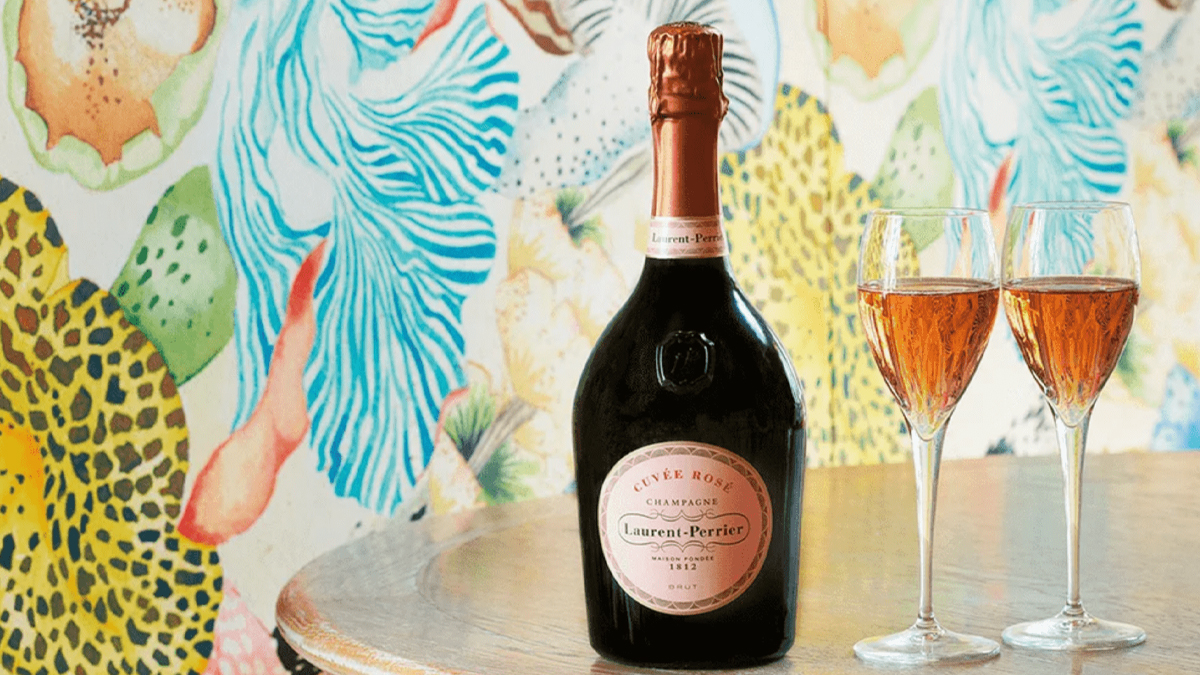
Established producers with strong reputations command higher prices due to consistent quality and recognition.
Names such as Laurent-Perrier, Louis Latour and Chapoutier carry heritage and trust, which influence perception and demand.
Scarcity and Demand
Limited production wines naturally become more valuable.
Regions with restricted vineyard space, such as Burgundy, often produce wines in small quantities, increasing their exclusivity.
How to Choose Wines Worth the Price
- Look for balance and structure rather than just brand
- Consider the occasion and intended use
- Explore both established and emerging regions
Discover The Selection


