


Pairing wine with local cuisine is often seen as challenging, yet it is one of the most rewarding when done correctly.
The diversity of flavours—from delicate seafood to rich, savoury dishes—requires careful selection of wines that complement rather than overpower.
The Biggest Mistake: Overpowering the Food
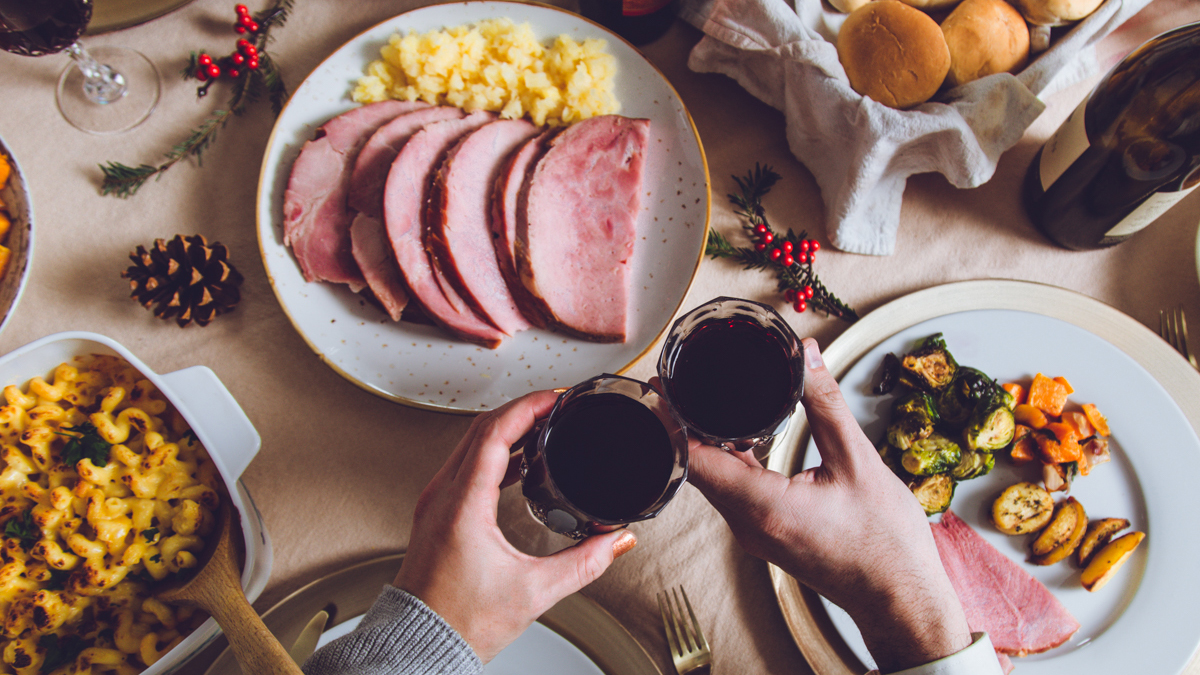
One of the most common mistakes is choosing wines that are too heavy, tannic or alcoholic.
Chinese cuisine often emphasises balance and nuance. Wines that dominate the palate can disrupt this harmony.
Seafood and Steamed Dishes: Freshness is Key
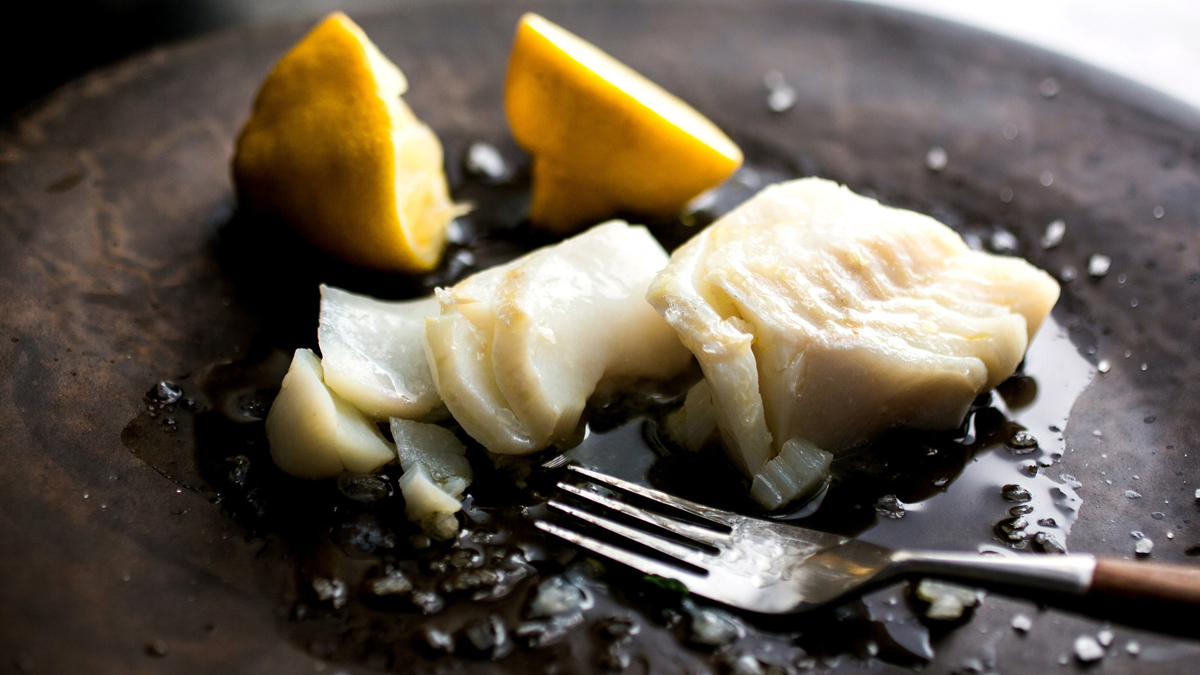
For dishes such as steamed fish, prawns or lightly seasoned seafood, freshness and acidity are essential.
Champagne works exceptionally well here, offering brightness and fine bubbles that enhance the natural flavours of the dish.
White wines such as Burgundy Chardonnay or Pinot Grigio also provide a clean and elegant pairing.
Roasted Meats: Balance and Structure

Dishes like roast duck or char siew require wines with enough body but not excessive tannin.
Rhone wines from Chapoutier, or softer Italian reds such as Valpolicella or Ripasso from Zenato, offer a balanced approach.
Rich and Saucy Dishes: Matching Intensity
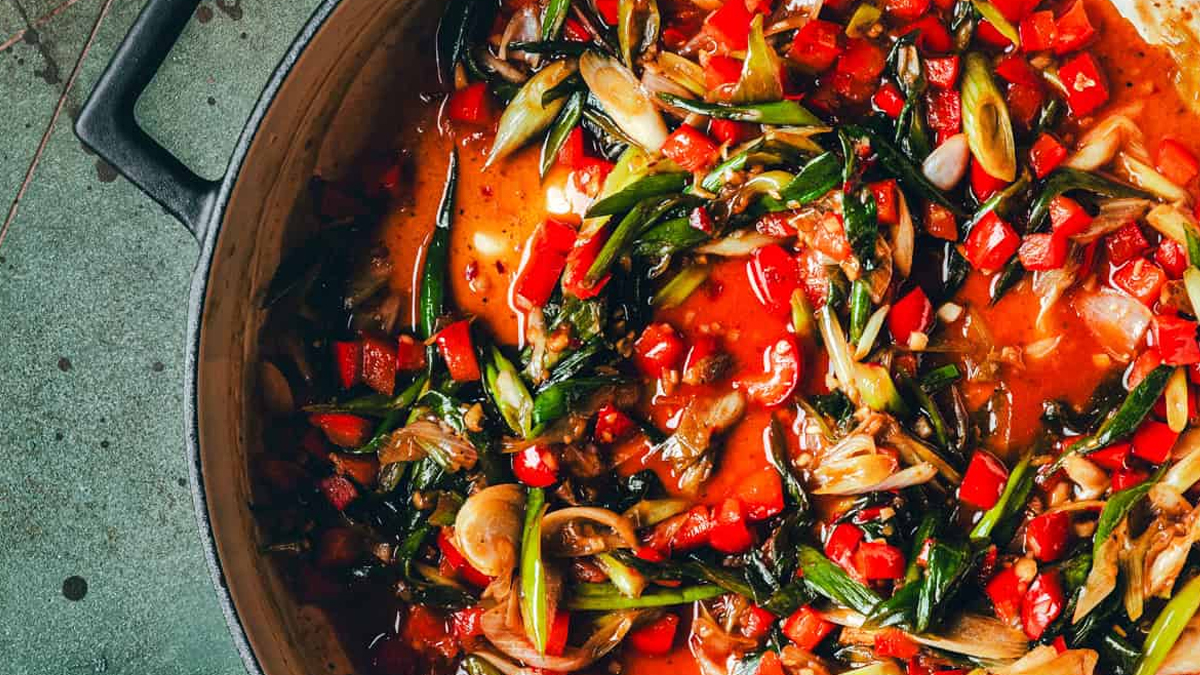
For dishes with heavier sauces, such as braised meats or abalone, wines with depth and structure are required.
Champagne with more complexity, or fuller-bodied reds such as Barolo from Clerico, can complement these flavours effectively.
Spicy or Aromatic Dishes: Avoid Tannins
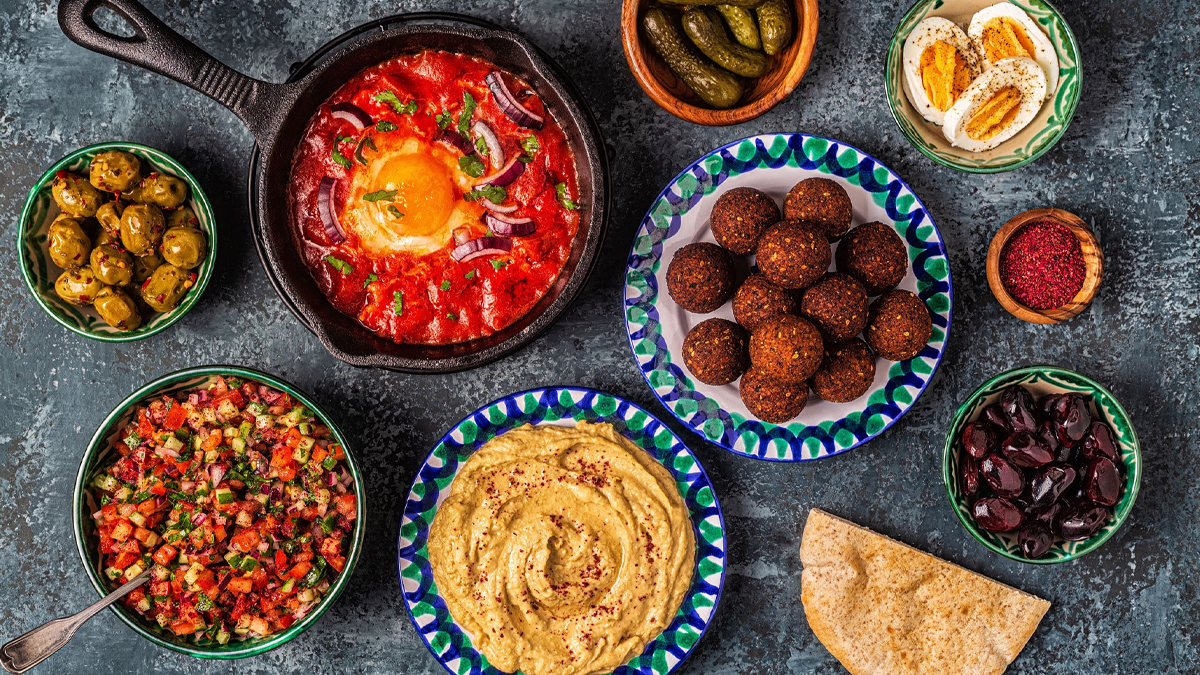
Spice can amplify the perception of alcohol and tannin, making wines feel harsher.
In such cases, lighter wines or refreshing options are more suitable. Sparkling tea also works particularly well, offering balance without alcohol heat.
Non-Alcoholic Pairing: A Growing Trend

Sparkling teas such as Saicho provide structure, acidity and aromatics that make them highly suitable for Chinese cuisine.
They are especially effective for dishes where subtlety is key.
Recommended pairings:


